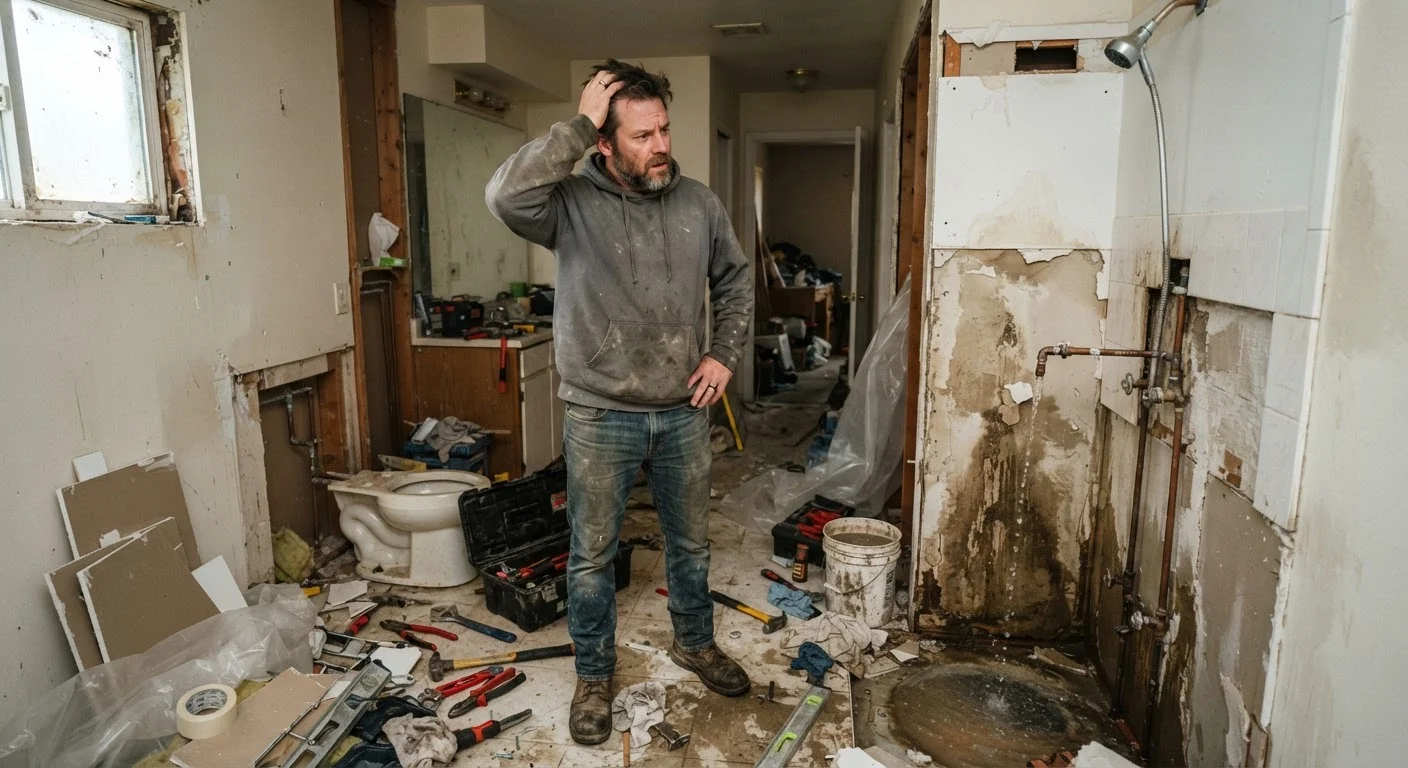
The Allure — and the Trap — of DIY Repairs
There's a satisfying logic to fixing things yourself: you skip the labor cost, learn something new, and feel capable. For many straightforward repairs, that logic holds up. Replacing a faucet washer, patching a small drywall hole, or swapping a light switch are genuinely manageable tasks for a careful, informed homeowner.
But a significant number of DIY projects go sideways — not because homeowners are incompetent, but because certain repairs are far more technically demanding than they appear, or because a wrong step triggers a much larger problem. The myths below are the assumptions most likely to lead homeowners into expensive territory.
For a broader look at which repairs are genuinely within DIY reach, see habits that experienced DIYers follow to avoid costly rework.
Myth
DIY is almost always cheaper than hiring a professional.
Fact
When you account for tools, materials, mistakes, and your time, DIY can cost as much or more than professional work.
The labor cost you avoid is visible; the costs you don't see can add up quickly. Specialized tools (pipe wrenches, tile saws, drywall routers) often need to be purchased or rented. Novice mistakes — an improperly cut tile, a stripped screw in a load-bearing area, a misaligned door frame — create rework that requires more materials. For complex jobs, a single error can cause secondary damage that a professional would have avoided entirely.
Myth
Watching a tutorial video is enough preparation for any repair.
Fact
Video tutorials show ideal conditions; your home, tools, and materials may differ significantly, changing how the repair needs to be executed.
Tutorial videos are filmed with the right tools, in good lighting, on cooperating materials. Real homes have decades of layers, non-standard framing, unexpected pipe or wire placements, and paint over paint over caulk. A repair that takes three minutes on screen can take three hours in practice — and the step where everything diverges from the video is often the step where costly mistakes happen. Use tutorials as orientation, not as a substitute for trade knowledge on complex jobs.
Myth
You can do your own electrical work and just get it inspected afterward.
Fact
Many jurisdictions require a licensed electrician to perform or directly supervise most electrical work; an inspection doesn't retroactively legalize unpermitted DIY wiring.
Electrical codes exist because wiring errors are a leading cause of residential fires. In many US states and municipalities, homeowner-performed electrical work is either restricted to specific limited tasks or must be permitted in advance — not just inspected after the fact. Unpermitted work can create liability issues with your homeowner's insurance and complicate a home sale. When in doubt, check with your local building department before touching a panel, running new circuits, or doing anything beyond a straightforward switch or outlet swap.
Myth
Painting over a problem area — mold, stains, water damage — fixes it.
Fact
Paint conceals surface appearance but does nothing to address the underlying cause; the problem will return and may worsen.
Painting over a water stain without finding and fixing the moisture source is one of the most common — and costly — DIY mistakes. Mold painted over continues to grow beneath the surface. Water-damaged drywall that isn't replaced or properly dried will degrade further, eventually requiring more extensive repairs. Stain-blocking primers can prevent bleed-through cosmetically, but they are finishing steps, not solutions. Always diagnose and resolve the root cause before painting.
Myth
Matching paint color is easy — just bring in the old can or a chip.
Fact
Color matching is affected by sheen, age, fading, and application method; patches almost never blend seamlessly without repainting the entire wall or surface.
Even a perfect color match from a paint store will look different if the existing paint has faded, has a different sheen, or was applied with different tools (roller nap, brush vs. sprayer). Light plays a significant role — the angle and quality of light in a room can make a small patched area clearly visible against the surrounding wall. For best results, plan to repaint from corner to corner rather than expecting a patch to disappear into the existing finish.
Myth
Tightening a leaky pipe fitting yourself is a simple fix.
Fact
Over-tightening can crack fittings or strip threads, turning a drip into a burst; and the leak source may not be where it appears.
Water travels before it drips, so the visible wet spot often isn't directly below the actual leak. Tightening a fitting that appears loose can crack older plastic fittings or damage compression seals, making the problem significantly worse. If a fitting is leaking, the correct approach depends on the pipe material, the fitting type, and the water pressure — factors that aren't always obvious. For anything beyond the most basic supply line swap under a sink, a licensed plumber is often the lower-risk choice.
Where DIY Costs Can Quietly Escalate
Even on projects where DIY is technically feasible, the math isn't always straightforward. Tool acquisition or rental, material waste from inexperienced cuts or mixing, and the time cost of multiple trips to the hardware store can chip away at any savings. One misjudged repair can also void existing warranties on appliances or home systems.
~35%
DIY projects that require professional correction
Industry estimates suggest roughly one in three significant DIY home repair attempts is later corrected or completed by a professional, often at higher total cost.
$3,000+
Average cost of water damage from plumbing errors
According to insurance industry data, residential water damage claims — often triggered by DIY plumbing mistakes — average several thousand dollars before remediation and repair.
Up to 40%
Home insurance claims denied for unpermitted work
Some homeowner insurance policies contain clauses that limit or deny claims for damage arising from unpermitted or non-code-compliant repairs.
Permits are another hidden cost that surprises many first-timers. Skipping a required permit doesn't just risk a fine — it can create problems when you sell the home, as unpermitted work may need to be disclosed or redone. Always check your local municipality's requirements before starting any structural, electrical, plumbing, or HVAC work. For a clear breakdown of which repairs to hand off entirely, understand where the professional boundary lies before you start.
Permits Aren't Optional — They're Protection
Skipping a required building permit isn't just a regulatory risk — it can affect your homeowner's insurance coverage and create disclosure obligations when selling your home. Unpermitted electrical, structural, plumbing, or HVAC work may need to be removed and redone by a licensed contractor at your expense. Before starting any non-cosmetic repair, contact your local building or permits department to confirm what's required in your jurisdiction.
Roof work deserves special mention. Working at height adds genuine physical risk, and improperly installed shingles can void manufacturer warranties or allow water infiltration that isn't immediately visible. Before deciding between a DIY patch and calling a roofer, weigh the options carefully — patching versus replacing damaged shingles depends on damage scope, roof age, and your comfort with heights.
Making Smarter Repair Decisions
The goal isn't to avoid all DIY — it's to approach each repair with an honest assessment of your skill level, the stakes of getting it wrong, and the true total cost. Start by asking: what happens if this goes wrong mid-repair? If the answer involves flooding, a fire hazard, structural compromise, or an uninhabitable room, that's a clear signal to bring in a licensed professional.
For smaller repairs where the risk of error is low and recovery is simple, DIY can be genuinely rewarding and cost-effective. A solid starting point is building the right foundation — assembling a practical home repair toolkit means fewer improvised shortcuts and better results. Likewise, tackling manageable projects like a running toilet repair or basic drywall patching builds real competence over time without exposing you to serious risk.
The most expensive repair decision is often not calling a professional — it's calling one only after a DIY attempt has compounded the original problem. A little honest self-assessment upfront is almost always cheaper than damage control later.