The Value of Knowing Your Limits
There's real satisfaction — and genuine savings — in handling home repairs yourself. Patching drywall cracks, fixing a sticking door, and swapping a faucet cartridge are all reasonable weekend projects for a prepared homeowner. But some repairs cross into territory where the consequences of getting it wrong aren't just cosmetic — they're dangerous, expensive, or legally binding.
This isn't about eroding confidence. It's about directing that confidence correctly. Understanding which repairs require a licensed professional is itself an empowering form of home knowledge. It protects your household, preserves your insurance coverage, and keeps your home compliant with local building codes. As DIY repair myths often obscure, the upfront cost of a licensed contractor is frequently far less than the remediation costs of a botched regulated repair.
Electrical Panel Upgrades and Repairs
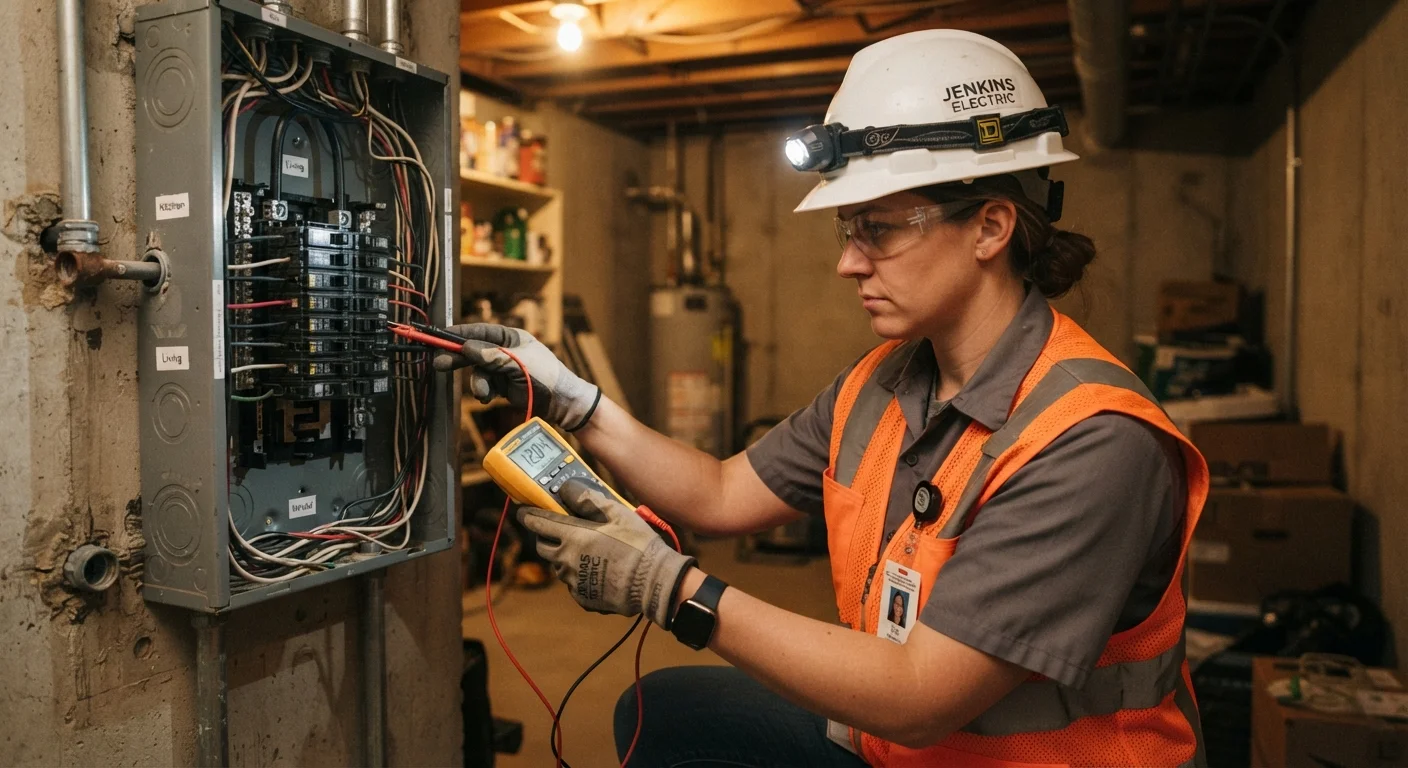
The main electrical panel — sometimes called the breaker box or load center — is the distribution hub for every circuit in your home. Work inside this panel involves live wires connected directly to the utility supply, which can carry 200 amps or more. Even with the main breaker switched off, the service entrance wires feeding the panel remain energized and cannot be de-energized without utility company involvement.
Beyond the shock and electrocution risk, panel work almost universally requires a permit and inspection in the United States. An electrician must be licensed in your jurisdiction, and the work must meet the NEC requirements adopted by your state or municipality. Unpermitted panel work can trigger homeowner's insurance claim denials and is a red flag during any home sale inspection. Adding a circuit, replacing a breaker, or upgrading service capacity all fall into this category.
Live utility wires in the panel stay energized even with the main breaker off — no homeowner override exists.
Gas Line Work of Any Kind
Natural gas and propane lines feed furnaces, water heaters, stoves, and dryers. A connection that leaks even slightly can accumulate combustible gas in an enclosed space, creating an explosion and fire risk. Gas line installation, relocation, extension, or repair requires a licensed plumber or gas fitter in virtually every jurisdiction, and typically requires a permit and pressure-test inspection before the line is put back into service.
This applies equally to small tasks that might seem minor, such as moving a gas dryer connection or adding a line for an outdoor grill. If you smell gas in your home, do not attempt any investigation or repair yourself: leave the building, avoid switches and flames, and contact your gas utility from outside. The utility company will respond at no charge to check for leaks.
Even a minor gas connection error can create an invisible, combustible accumulation inside your home.
Structural Wall Removal or Alteration
Not every interior wall is just a partition. Load-bearing walls transfer the weight of the floors, roof, or structure above them down to the foundation. Removing or cutting into one without engineering review and proper temporary support can cause catastrophic structural failure — sometimes gradually, sometimes suddenly. Identifying load-bearing walls is a skill with serious stakes: visual clues help, but they are not conclusive without professional assessment.
Any structural alteration — removing a wall, widening a doorway that interrupts a bearing line, or adding a new opening — should involve a structural engineer's evaluation and a licensed contractor for execution. Most municipalities require a permit for this work. The permit process exists precisely to ensure the structural integrity of the finished result.
Cutting into a load-bearing wall without engineering review can cause partial or total structural collapse.
Roof Replacement and Major Repairs
Working on a roof involves fall risk, which is among the leading causes of serious injury in residential DIY projects. Beyond the physical danger, roofing errors — improperly lapped shingles, inadequate flashing, poorly sealed valleys or penetrations — create moisture intrusion pathways that may not become apparent until significant damage has already occurred inside the structure.
Spot repairs, such as replacing a handful of damaged shingles, may be within reach for a physically capable, safety-equipped homeowner on a low-slope roof. But whole-roof replacements, flashing around chimneys or skylights, and repairs requiring underlayment work should be handled by a licensed roofing contractor. Many states require roofing contractors to carry specific licensing and liability insurance. For more context on evaluating the scope of roof damage, see patching vs. replacing damaged shingles.
Flashing errors around chimneys and penetrations are a leading source of invisible, long-term moisture damage.
Main Plumbing Line and Sewer Repairs
Plumbing divides into two categories: fixture-level work (supply stops, faucets, toilet fill valves) that many homeowners handle safely, and main-line or sewer work that requires a licensed plumber. The main water service line running from the municipal supply to your home, the sewer lateral connecting your home to the city sewer, and any work requiring excavation or connection to the municipal system fall firmly in the professional category.
Sewer line repairs often require permits and video inspection confirmation. Incorrect connections can cause sewage backflow, property damage, or violations of local health codes. If you are dealing with a sewer backup, a licensed plumber with a drain camera can diagnose the cause — root intrusion, pipe collapse, grease buildup — and recommend the right repair scope rather than guessing.
Sewer lateral repairs require permits in most jurisdictions and carry health-code implications if done incorrectly.
HVAC System Refrigerant Handling
Heating, ventilation, and air conditioning (HVAC) systems contain refrigerant — a regulated substance under the Clean Air Act. Handling, recovering, or recharging refrigerant requires EPA Section 608 certification. It is a federal violation for an uncertified person to purchase or vent refrigerants.
Homeowners can reasonably handle tasks like replacing air filters, cleaning accessible coils, and checking thermostat settings. But refrigerant leaks, compressor failures, and refrigerant recharges must go through a licensed HVAC technician. Attempting refrigerant work without certification exposes you to federal fines and risks improper handling of a pressurized system. When evaluating HVAC issues, start with the tasks that are clearly within DIY scope and call a technician for anything involving the sealed refrigerant circuit.
Purchasing or venting refrigerant without EPA Section 608 certification is a federal violation, not just a safety risk.
Build the Right Foundation for What You Can Do
Ask Before You Start — It Saves Money
Before beginning any repair that touches wiring, gas, structural elements, or plumbing mains, call your local building department and ask whether a permit is required. This single step can prevent insurance complications, code violations, and costly teardowns to redo unpermitted work. Many building departments offer free preliminary guidance over the phone or through their websites.
Understanding the boundary between DIY and professional work also sharpens your instincts on manageable projects. A well-stocked homeowner's toolkit and a set of consistent repair habits go a long way on the repairs that are genuinely within reach. The goal isn't to outsource everything — it's to match the task to the right skill set, every time.
This article is for general informational and educational purposes only. Always verify permit requirements and licensing rules with your local building authority before beginning any home repair project. For regulated work involving electrical, gas, structural, or similar systems, consult a licensed professional in your area.