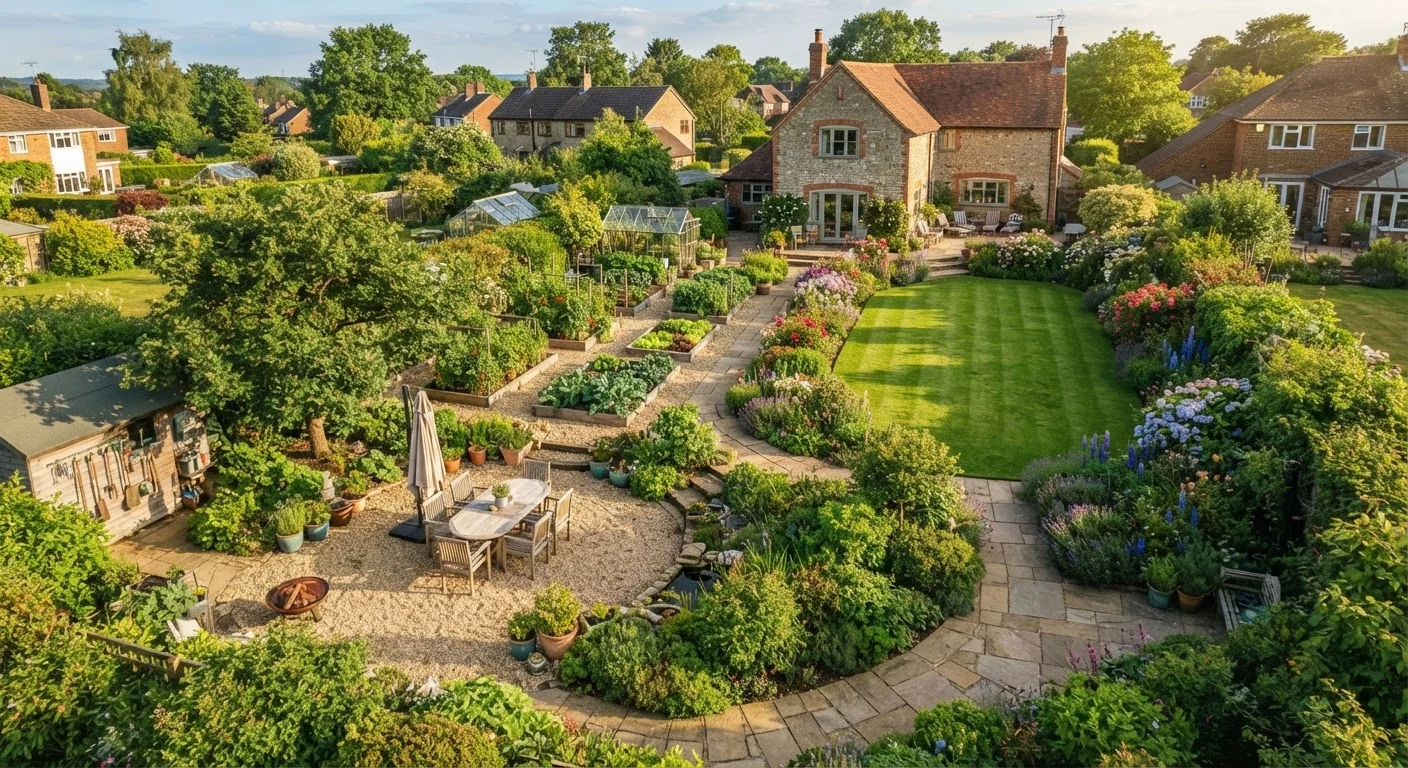
Why Zoning Makes a Garden More Manageable
Most gardening frustrations — struggling plants, cluttered layouts, areas that never quite look finished — trace back to a lack of intentional planning. When a yard grows organically over the years, it often ends up as a patchwork of competing needs: a sun-hungry tomato plant fighting for space next to a shade-loving fern, a seating area wedged awkwardly between a compost bin and a flower bed.
Garden zoning solves this by asking a simple question before anything is planted or built: What do I need this space to do? Answering that question — honestly and specifically — gives every corner of the yard a role, which makes maintenance more logical and the overall space easier to enjoy.
The concept has roots in the same thinking used for indoor spaces. Just as home organization principles describe 'zones of use' to organize rooms by activity, outdoor zoning applies the same logic to a yard. The kitchen table stays near the stove; the vegetable bed goes near the outdoor tap. Proximity and purpose drive every decision.
Step One: Map Your Sun, Shade, and Moisture
Before drawing any zones on paper, spend a day — ideally around the spring or summer equinox when the sun is representative — watching how light moves across your yard. Mark which areas receive full sun (six or more hours of direct light), partial sun (three to six hours), and full shade. Note where water pools after rain, and where the soil tends to stay dry even when the rest of the garden is moist.
This site assessment is the foundation of every zoning decision that follows. A vegetable garden placed in a shady corner will always struggle, no matter how well the soil is prepared. A seating area positioned in afternoon sun will be too hot to use in summer.
6+ hrs
Daily sun needed for most vegetable crops
Most edible plants require at least six hours of direct sunlight to produce a reliable harvest, making sun mapping the first step in productive zoning.
~30%
Water savings from grouping plants by need
Landscape water-efficiency research generally finds that grouping plants with similar irrigation needs — a practice called hydrozoning — can significantly reduce water use compared to uniform irrigation across mixed plantings.
3–4
Zones sufficient for most residential yards
Landscape designers commonly recommend starting with three to four clearly defined zones rather than over-segmenting, which can make maintenance more complicated than the yard warrants.
Once you have a light and moisture map, common zone assignments become fairly obvious. Your sunniest, best-draining area is a strong candidate for edible plants. A partially shaded spot near the house might become a comfortable sitting area. A low, moisture-retaining corner could host a rain garden or bog-tolerant plants. For more on maximizing a productive growing space, see starting a vegetable garden from bare ground.
The Core Zones Most Yards Can Use
Not every garden needs eight zones — in fact, starting with three or four clearly defined areas is usually more effective than over-segmenting. Here are the most practical zones to consider:
- Productive zone: Raised beds, in-ground vegetable rows, or herb gardens. Needs full sun, accessible water, and easy foot access for harvesting. Group plants with similar spacing and timing needs — a helpful reference is planting depth and spacing guidance.
- Relaxation zone: Seating, dining areas, hammock space, or a fire pit spot. Usually positioned close to the house for convenience, with thought given to privacy and afternoon shade where summers are hot.
- Play or utility zone: Lawn for children or pets, along with practical elements like compost bins, tool storage, or a potting bench. Often benefits from being screened from the relaxation zone for visual tidiness.
- Ornamental zone: Flower borders, pollinator gardens, or specimen plantings. These can double as visual screens or transitions between other zones, and are good candidates for companion planting combinations that support the productive area nearby.
Defining Boundaries Without Building Walls
One of the most common hesitations about garden zoning is a concern that it will make the yard feel rigid or divided into small, disconnected parcels. Done well, zoning actually creates flow — each zone transitions naturally to the next through a shared design language.
Physical boundaries don't need to be fences or formal structures. Effective zone separators include:
- A gravel or mulched pathway between beds
- A low edging strip of timber, metal, or stone along a border
- A change in ground material (lawn to paving, mulch to gravel)
- A row of low hedging shrubs or ornamental grasses
- A change in elevation, such as a raised bed or a gentle slope
The goal is to give each zone a clear identity at ground level so that both you and your plants know where one area ends and another begins. This also simplifies watering logic — plants grouped by moisture need can be watered appropriately without compensating for neighboring plants with different requirements. Watering deeply and infrequently becomes far easier when all the thirsty plants are in one zone rather than scattered across the yard.
Adapting Zones Over Time
A zoned garden isn't permanent. One of its quieter advantages is that it's easier to evolve deliberately — you can shift a zone's purpose, expand a productive bed, or add a seating area without disturbing the rest of the layout, because each zone has defined edges.
Review your zones each year at the start of the growing season. Ask whether each area is earning its place and whether your use of the yard has changed — a family with young children eventually needs less lawn; a household that starts cooking more may want a larger herb garden. The logic of adapting space to how life actually works applies just as much outdoors as it does inside the home.
The discipline of garden zoning pays compound dividends: less time correcting mistakes, fewer plants lost to the wrong conditions, and a yard that reliably functions as a place you want to spend time in.