Understanding the Core Trade-Off
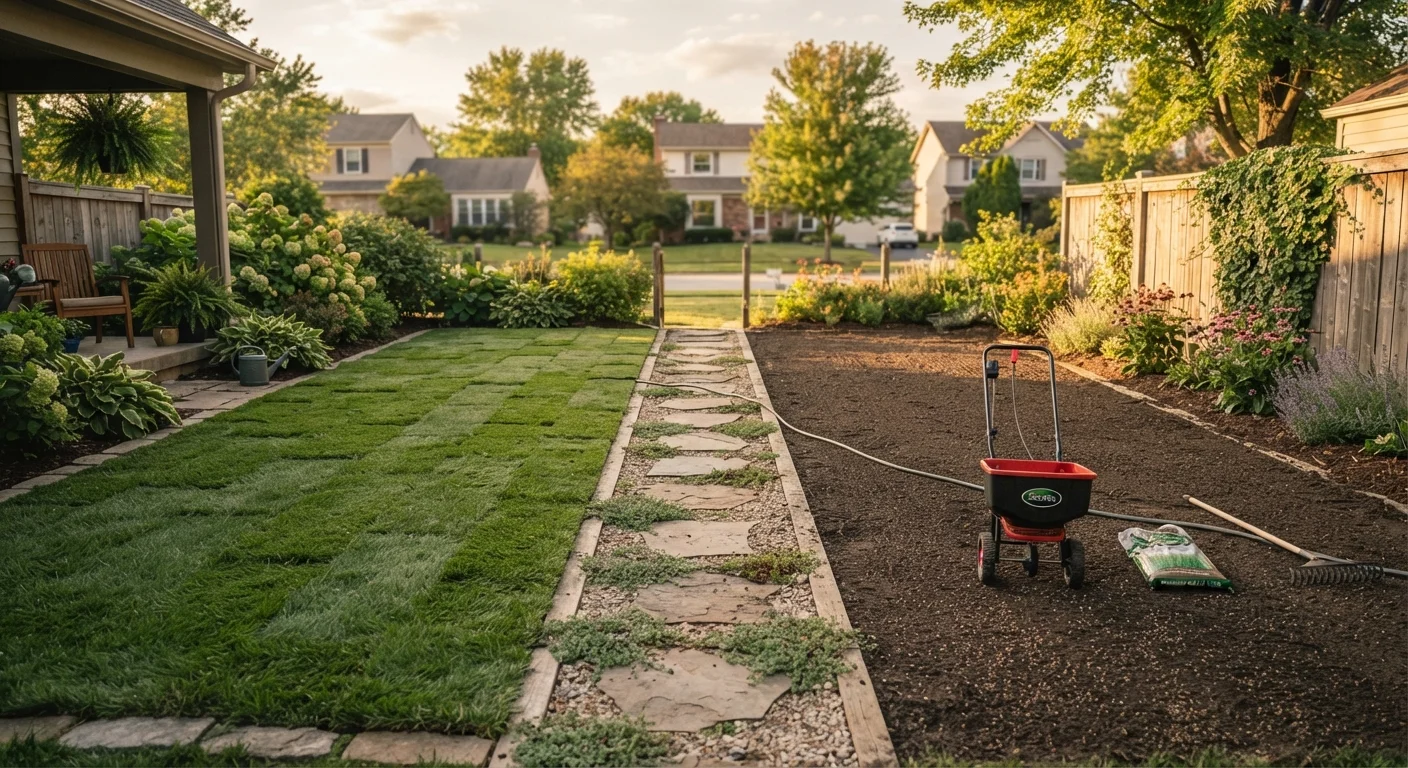
Both grass seed and sod lead to the same destination — a healthy, green lawn — but the journey differs in almost every meaningful way: cost, timeline, labor, and long-term resilience. Understanding these differences up front saves homeowners from choosing the wrong method for their situation.
Grass seed works by planting individual seeds directly into prepared soil and nurturing them through germination and early growth. It demands consistent moisture management, protection from birds and foot traffic, and a realistic expectation that a full, established lawn may take two to three months. Sod, by contrast, is pre-grown grass that arrives as rolls of living turf with roots attached. It transplants an already-formed lawn onto your soil, rooting in within weeks under the right conditions.
Neither approach is universally superior. The decision hinges on your yard's specific conditions, your schedule, and how much you're prepared to spend. The sections below break down exactly where each method excels — and where it falls short. For broader seasonal planning, see the complete guide to seasonal lawn care.
Cost and Coverage: What to Realistically Expect
Cost is often the deciding factor. Grass seed is substantially cheaper than sod, particularly at larger scales. A typical bag of quality seed covers several hundred to a few thousand square feet depending on grass type, while sod is priced and sold by the square foot or pallet — and those figures add up quickly when covering a full yard.
| Criterion | Grass Seed | Sod |
|---|---|---|
| Typical cost per sq. ft. | Lower (seed + materials) | Higher (sod + installation) |
| Time to usable lawn | 2–3 months | 2–3 weeks |
| DIY-friendliness | High — basic tools needed | Moderate — physically demanding |
| Grass variety selection | Wide range available | Limited to what growers supply |
| Erosion control | Poor until established | Immediate root mat protection |
| Best timing window | Narrow — season-dependent | Somewhat more flexible |
| Long-term root depth | Typically deeper over time | May have layering issues |
| Watering during establishment | Frequent, light watering | Heavy daily watering for 2 weeks |
Installation costs also differ. Seeding can be done entirely by a homeowner with a broadcast spreader and basic prep work. Sod installation is more physically demanding — rolls are heavy, timing is critical (sod must be laid and watered the same day it arrives), and errors in placement are hard to correct once the roots begin setting. For large areas, many homeowners hire professional installation, adding to the total cost.
It's worth noting that seed also requires ongoing investment during its long establishment phase: watering, fertilizing, and protecting the area from traffic and weeds. Sod's upfront cost is higher, but ongoing care in the first month is relatively straightforward once the turf is rooted.
Timing, Climate, and Grass Type Considerations
Timing is critical for both methods, and getting it wrong can set your lawn back significantly. The general rule: cool-season grasses (fescues, bluegrass, ryegrass) establish best when seeded or sodded in early fall, when soil is still warm but air temperatures are cooling. Warm-season grasses (Bermuda, zoysia, St. Augustine) prefer late spring through early summer installation, when they can root aggressively during the growing season.
Seed offers a decisive advantage in grass variety selection. Commercial sod operations typically grow a limited range of cultivars suited to broad regional markets. Seed suppliers, however, offer dozens of varieties and blends tailored to specific conditions — dense shade, heavy foot traffic, drought tolerance, or clay-heavy soils. If your yard has challenging micro-conditions, seed is more likely to match you with the right grass.
Sod is less flexible on timing but more forgiving of the unexpected. Because it arrives with an established root system, it tolerates installation in warmer or cooler windows than seed can. However, sod laid in extreme heat without immediate, consistent irrigation will fail. See how lawn watering habits affect grass health for watering context once your lawn is established.
Soil Preparation: The Step That Determines Success
No matter which route you choose, soil preparation is the single most important factor in long-term success. Both seed and sod fail on poorly prepared, compacted, or nutrient-depleted soil — a fact that surprises many first-time lawn installers who expect the grass itself to do the heavy lifting.
For both methods, preparation follows a similar sequence:
- Clear the area — remove existing vegetation, rocks, and debris. For sod over existing grass, this usually means stripping or killing the old turf first.
- Test your soil — a basic soil test (available through many cooperative extension offices) reveals pH and nutrient levels. Most grasses prefer a pH between 6.0 and 7.0.
- Till and amend — loosen the top 4–6 inches of soil and incorporate compost or other organic matter to improve drainage and fertility.
- Grade the surface — ensure the ground slopes away from foundations and that the surface is smooth and firm, but not compacted.
For seeding, the surface should be raked to a fine, crumbly texture. For sod, it should be firm enough that your foot doesn't sink more than half an inch when you step on it. Skipping or rushing this stage is one of the most common reasons new lawns fail — a topic covered in more depth in common lawn care mistakes that set grass back by seasons.
Establishment and Aftercare: The Long Game vs. the Short Sprint
Once seed or sod is down, the care approach diverges considerably. Newly seeded areas require frequent, light watering — often two to three times per day — to keep the soil surface consistently moist until germination. This phase typically lasts one to three weeks depending on grass type and conditions. After germination, watering frequency gradually decreases as roots deepen, but foot traffic must still be avoided until the lawn reaches mowing height and has been cut at least two to three times.
Sod demands intensive watering in the first two weeks, but the timeline to a usable lawn is dramatically shorter. Most sod varieties begin rooting within seven to fourteen days, and light foot traffic is generally possible within three weeks. Once rooted, sod care mirrors that of a mature lawn.
One underappreciated advantage of seed: deeper, more expansive root systems over time. Because seeded grass develops roots from scratch in your specific soil, it often becomes more drought-resilient than sod once fully established. Sod occasionally develops a layering problem if the soil it was grown in differs significantly from your yard's native soil, potentially affecting drainage and rooting depth.
For yards with thin or bare patches rather than a full re-establishment need, neither seeding nor sodding an entire lawn may be necessary. Overseeding is a targeted alternative worth exploring before committing to a full installation project.