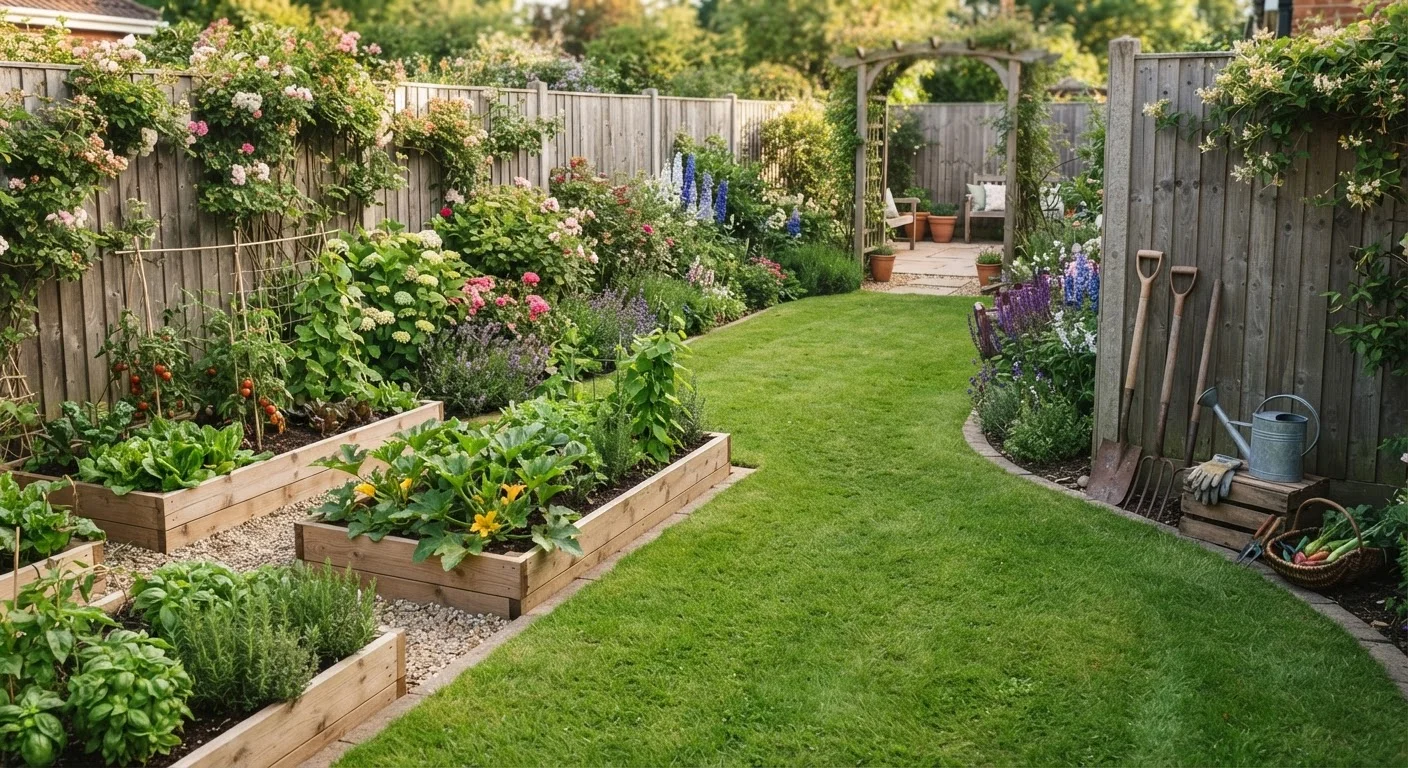
Why a Year-Round Approach Makes All the Difference
Most lawn and garden problems don't appear out of nowhere. Bare patches in June trace back to missed aeration in autumn. A weed explosion in July often follows a too-thin mow in spring. The yard you have in midsummer is largely the product of decisions made months earlier.
Thinking of lawn care as a continuous cycle — rather than a series of reactive fixes — is the single biggest shift that separates thriving yards from struggling ones. Each season builds on the last, and a modest amount of well-timed effort prevents the larger interventions that cost more time and money later. This guide walks through exactly what to do and when, using practical, repeatable techniques suited to everyday homeowners.
For context on how this kind of consistent maintenance applies to other areas of ownership, the seasonal home maintenance guide offers a parallel framework for the structure around your lawn.
Late Winter and Early Spring: Setting the Foundation
Before a single seed goes in the ground, the most valuable thing you can do is assess what you're working with. Walk the lawn after the last hard frost and look for compacted areas, standing water spots, bare patches, and signs of thatch buildup (a spongy, mat-like layer of dead grass at soil level).
Test Your Soil Before You Amend It
Guessing at soil needs leads to under- or over-correction and wastes money. Soil test kits are widely available at garden centers and through state cooperative extension programs, and many county extension offices offer low-cost laboratory testing. Results will tell you pH, nutrient levels, and organic matter content — the three things that drive almost every other lawn decision you'll make.
This is also the right window to conduct a soil test if you haven't done one in the past two to three years. Results typically take one to two weeks from a laboratory service, giving you time to source lime, sulfur, or compost before active growing begins.
Late winter tasks to prioritize:
- Rake out matted or dead grass from winter to allow airflow
- Clean and sharpen lawn mower blades — dull blades tear grass rather than cut it
- Clear garden beds of spent stalks and any debris that sheltered pests over winter
- Apply lime to raise soil pH if testing indicates it's below 6.0 (lime takes several weeks to work into the soil)
Spring Into Action: Planting, Feeding, and Edging
Once soil temperatures consistently reach around 50°F — typically mid-spring in most northern U.S. regions — grass roots begin active growth and can make productive use of fertilizer. Applying too early results in runoff; too late and you miss the growth window.
40%
Lawn water wasted to overwatering or runoff
According to the U.S. Environmental Protection Agency, roughly 40% of residential irrigation water is lost to inefficient watering practices.
3–4 inches
Ideal grass height to retain soil moisture
Turfgrass specialists widely recommend mowing cool-season grasses to 3–4 inches to shade roots and reduce moisture evaporation.
1 inch/week
Average water needs for most lawn grasses
University cooperative extension programs consistently cite approximately one inch of water per week as adequate for most turf types during the growing season.
For garden beds, spring is the time to turn compost into the top 6–8 inches of soil, edge borders cleanly, and start warm-season annuals indoors if your last frost date is still several weeks away. Perennials can be divided and relocated now while they're still small.
Spring lawn care checklist:
- Apply a balanced, slow-release fertilizer once soil temps are right
- Overseed thin patches with a grass variety matched to your existing turf
- Begin mowing when grass reaches about 3.5 inches — never scalp the first cut
- Install mulch in garden beds to a depth of 2–3 inches, keeping it away from plant stems
Mow High, Mow Often, Remove Less
The one-third rule is a reliable guide: never remove more than one-third of the grass blade in a single mowing session. Cutting too aggressively stresses the plant, burns the lawn, and leaves behind the kind of damage that can take weeks to recover from. See our common lawn care mistakes article for more on what to avoid.
Summer: Protecting Your Lawn from Heat and Drought
Summer stress is real. High temperatures, inconsistent rainfall, and heavy foot traffic push lawns into survival mode. The goal during summer isn't aggressive growth — it's protection and resilience.
Raise your mowing height to 3.5–4 inches during peak heat months. Taller grass shades soil, retains moisture more effectively, and competes better against weeds. Avoid mowing during the hottest part of the day, and never mow drought-stressed grass — wait until conditions improve or you risk permanent damage to individual grass plants.
Don't Apply Fertilizer to Frozen or Dry Soil
Applying granular or liquid fertilizer when the ground is frozen or bone-dry significantly increases the risk of nutrient runoff into waterways and does little for the lawn itself. Always water the lawn a day before applying fertilizer, and check that soil temperatures are appropriate for the product you're using.
Water deeply and infrequently rather than lightly and often. A single watering of about an inch, applied in early morning, encourages roots to grow deeper in search of moisture — making the lawn more drought-tolerant over time. Early morning watering also reduces evaporation loss and limits fungal disease risk.
In garden beds, keep a close eye on soil moisture and top up mulch as it decomposes. Summer is also the time to deadhead spent flowers to encourage continued blooming and to harvest vegetables regularly so plants keep producing.
Autumn: The Season That Determines Next Year's Lawn
Autumn is arguably the most important season for lawns, and it's frequently underused. Cooler temperatures, reliable moisture, and reduced weed competition create near-ideal conditions for grass seed germination and root development.
Before applying any fertilizer, run a soil pH test — most lawn fertilizers underperform in soil that's too acidic or too alkaline. Aim for a pH between 6.0 and 7.0 for most grass types.
Nutrient availability is directly tied to soil pH; even a well-balanced fertilizer will fail to deliver results if the soil chemistry isn't right.
When overseeding in autumn, lightly rake the lawn surface before spreading seed so new grass makes direct soil contact — seed sitting on thatch rarely germinates well.
Seed-to-soil contact is one of the most critical factors in germination success, according to established turfgrass management guidelines.
Water newly seeded or sodded areas in short, frequent cycles rather than one long soak — this keeps the top inch of soil consistently moist without drowning roots.
Short-cycle irrigation matches the shallow root depth of new grass and prevents surface crusting that blocks germination.
Core aeration — using a machine or manual aerator to pull small plugs of soil from the lawn — relieves compaction and allows air, water, and nutrients to reach the root zone. Do this before overseeding so seed falls directly into the holes. Leave the plugs on the surface; they break down within a couple of weeks and return organic matter to the soil.
Autumn priorities:
- Aerate compacted areas, particularly high-traffic zones
- Overseed thin or bare areas with appropriate grass seed
- Apply a fall-specific fertilizer higher in potassium to support root hardening before frost
- Keep up with leaf removal — heavy leaf mats left on grass block light and promote fungal disease
- Cut back perennials and clear annual beds once frost kills them
Managing leaves efficiently matters more than most homeowners expect. Mulching leaves with the mower (rather than bagging them) returns nutrients to the soil and saves significant time and effort across a full autumn season.
Winter: Rest, Repair, and Planning Ahead
The lawn is dormant, but your planning doesn't have to be. Winter is the low-effort, high-return season: the work is mental, not physical, and it pays off significantly come spring.
Stay off frozen or frost-covered grass whenever possible. Foot traffic on frozen turf compresses and damages grass crowns — the part of the plant closest to the soil surface — and those injuries don't become visible until spring growth reveals them as dead patches.
Cool-Season vs. Warm-Season Grasses
Timing recommendations in this guide align most closely with cool-season grasses (such as Kentucky bluegrass, fescue, and ryegrass), which dominate northern U.S. regions. If you grow warm-season turf like Bermuda, zoysia, or St. Augustine, shift planting, feeding, and overseeding windows toward late spring and summer. Your local cooperative extension office is the best source for region-specific timing.
Use winter to:
- Review this past year's successes and problem areas — take notes while memory is fresh
- Order seeds and plan garden bed layouts for spring
- Service equipment: sharpen blades, change oil, replace spark plugs on gas-powered tools
- Research cover crops or green manures if you'd like to improve garden bed fertility next season
Pair your yard planning with broader home maintenance by reviewing the DIY home repair hub — winter is often a good window for interior projects while outdoor work is on pause.
Year-round lawn and garden care isn't about perfection — it's about consistency. Small, well-timed actions compound into a lawn and garden that require less intervention, cost less to maintain, and provide more return for the effort you put in.