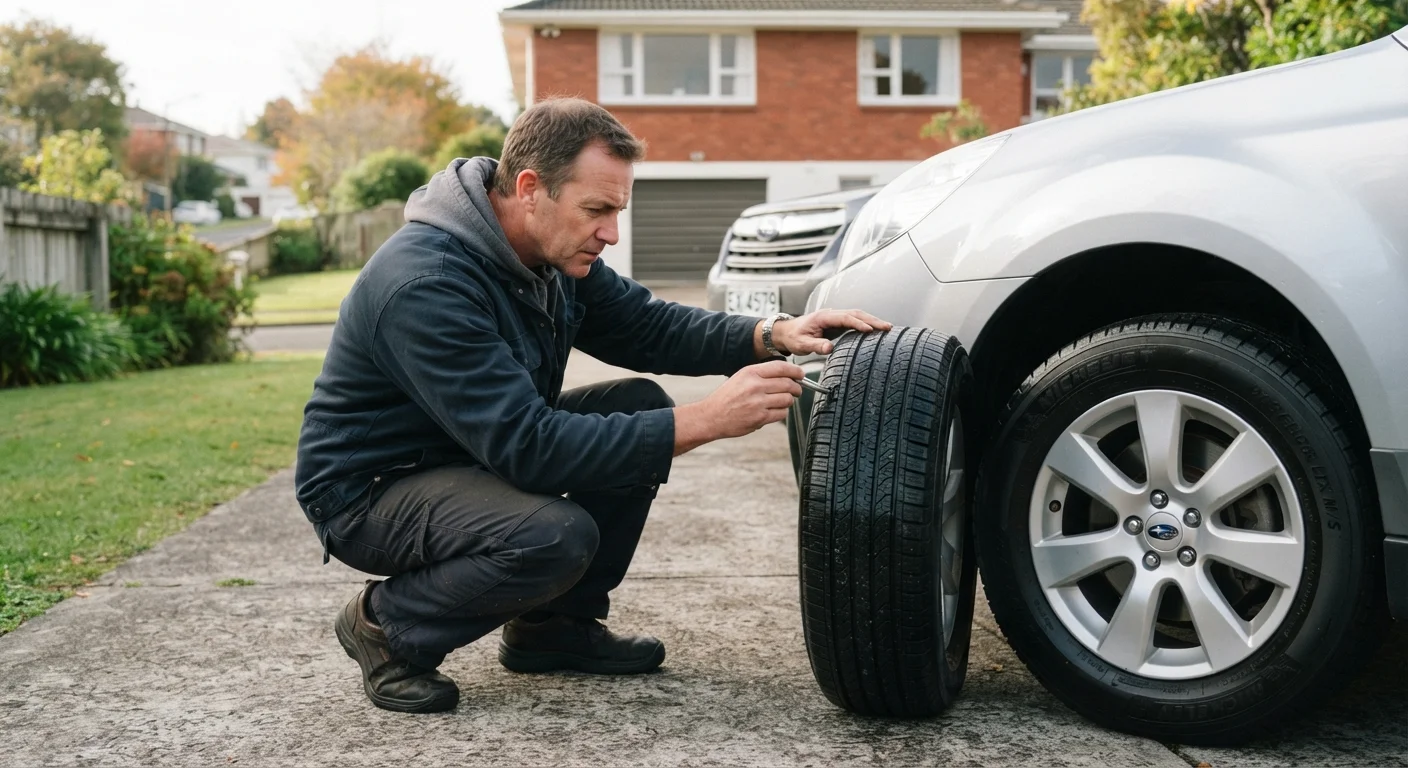
Why a Pre-Journey Check Is Worth Two Minutes of Your Time
Vehicle defects are a contributing factor in a meaningful share of road incidents each year. Many of those defects — worn tyres, a blown brake light, low washer fluid — are entirely preventable with a quick walk-around before you turn the key. This checklist covers the checks that matter most for everyday driving. If you're preparing for a longer trip, a more thorough inspection is warranted; see our pre-long journey inspection guide for those additional steps.
The checks below follow an outside-in, front-to-back order so nothing gets skipped. They require no specialist tools, though a tyre pressure gauge is strongly recommended. Most drivers who build this habit into their routine complete it in five minutes or less.
Do Not Drive on a Faulty Vehicle
If any check reveals a serious defect — a tyre sidewall bulge, a brake warning light, or fluid that appears dark and significantly low — do not drive the vehicle until the issue is assessed by a qualified mechanic. Driving with a known safety defect puts you, your passengers, and other road users at risk. When in doubt, park the car and arrange an inspection first.
Tools You'll Want on Hand
You don't need a garage full of equipment, but having a few basics in your car makes these checks faster and more reliable. The items below cover everything on this checklist.
Tyre pressure gauge
Accurately reads tyre inflation in PSI; far more reliable than visual inspection alone.
Tread depth gauge
Measures remaining tread in 32nds of an inch to confirm tyres are within a safe range.
Microfibre cloth
Wipes down light lenses and mirrors for clearer output and visibility.
Vehicle owner's manual
Specifies correct fluid types, tyre pressures, and warning light meanings for your specific vehicle.
The Checklist
Work through each group in order. Items marked must are non-negotiable safety checks; should items are strongly recommended; nice to have items add an extra layer of confidence. This checklist pairs naturally with the seasonal car maintenance checklist, which covers deeper, periodic checks beyond the pre-journey scope.
Tyres
Lights
Fluid Levels
Mirrors and Seatbelts
If a check reveals a problem you're unsure how to address, consult our guide on DIY tasks versus when to see a mechanic before driving. Some faults — a cracked tyre sidewall, a brake warning light — should mean the vehicle stays parked until inspected by a qualified technician.
After the Check: Staying Consistent
The value of a pre-journey check comes from doing it consistently, not perfectly. Even a 90-second visual walk-around catches the most common issues: a flat tyre, a broken light, or an open fuel cap. Over time the habit becomes second nature.
For items flagged during a check — such as a borderline tread depth or slightly low oil — log them so they aren't forgotten at your next service. Routine maintenance tasks are easier to track when written down; the commonly overlooked maintenance tasks article is a useful companion for building that broader habit. Drivers who want a full picture of what vehicle upkeep costs over a year can also reference the annual car ownership cost checklist to budget accordingly.
More car maintenance guidance is available if you want to go deeper on any of the systems covered here.