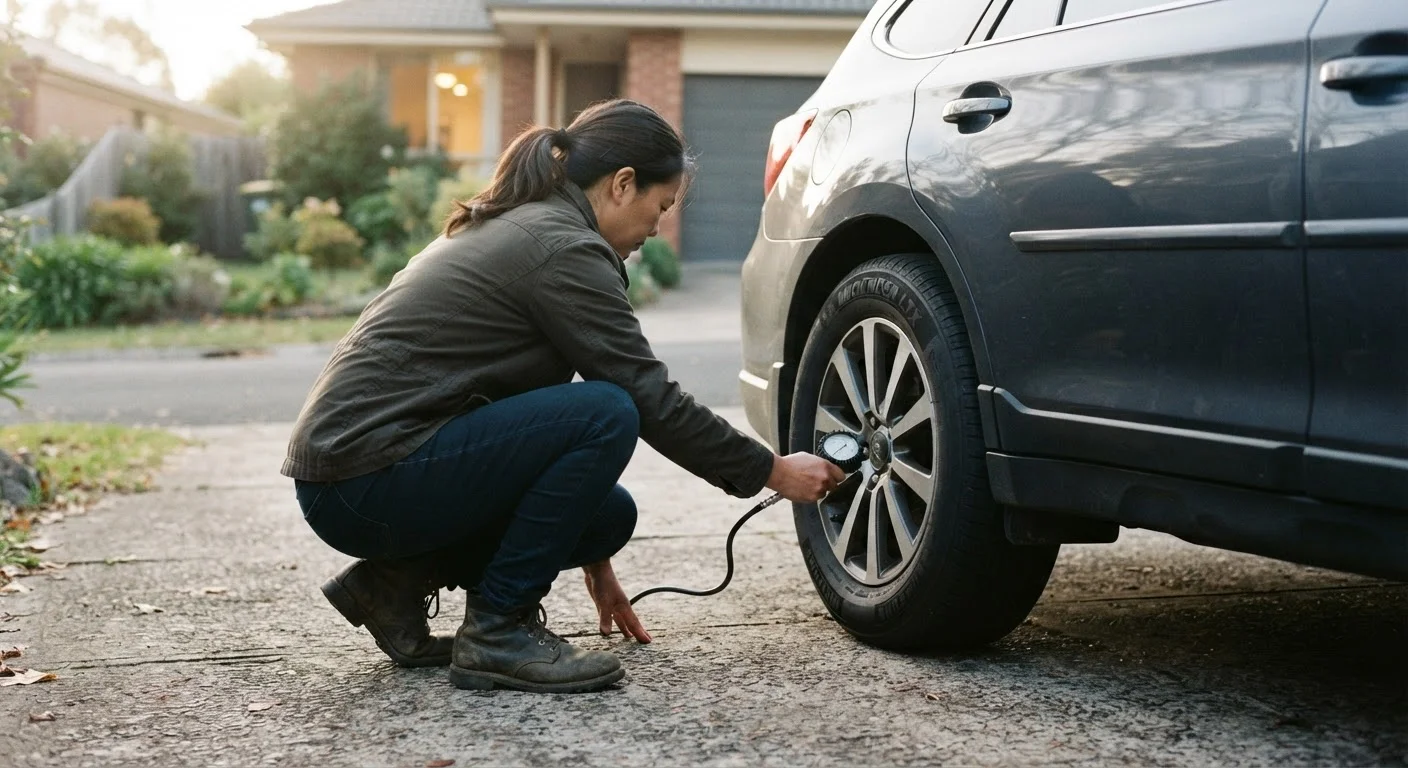
Tyre condition and pressure are the single most important checks before a long drive.
Fluid levels — oil, coolant, brake fluid, and washer fluid — should all be verified before departure.
Lights, wipers, and horn are quick checks that are easy to skip but legally required.
Brakes and belts warrant a careful look, especially if your vehicle hasn't been serviced recently.
Carrying a basic emergency kit adds a practical safety net when driving far from home.
Before a long drive, a methodical check of tyres, fluids, lights, and brakes can prevent breakdowns far from help.
Why a Pre-Trip Inspection Matters
Most roadside breakdowns are preventable. A tyre failure at highway speed, an overheated engine 200 miles from the nearest town, or a dead battery in a rest-stop parking lot — these are not random events. They are typically the result of deferred maintenance or skipped checks that would have taken minutes to complete at home.
A long road trip places sustained stress on every major system in your vehicle. Speeds are higher, distances are greater, and the margin for error shrinks. The checklist below is designed to work through your vehicle systematically — covering tyres, fluids, lighting, brakes, belts, and emergency equipment — before you turn onto the highway.
If your vehicle is overdue for a service, consider scheduling one before a major trip. For a broader view of which tasks you can handle yourself and which warrant professional attention, see our guide to DIY vs. mechanic tasks. This checklist focuses on the inspection steps any careful driver can complete in a parking spot or driveway.
Tyres
Check tyre pressure on all four tyres and the spare using a calibrated gauge; inflate to the pressure listed on the driver's door jamb placard, not the number moulded into the tyre sidewall.Must
Inspect tread depth across the full width of each tyre — the legal minimum in most US states is 2/32 of an inch, but many safety organisations recommend replacing tyres at 4/32 for highway driving.Must
Look for sidewall bulges, cracking, cuts, or embedded objects such as nails or screws that could cause a blowout at speed.Must
Verify that the spare tyre (if fitted) is inflated and that the jack and wheel brace are present and accessible.Must
Check that all wheel nuts are properly torqued — especially relevant if tyres have been rotated or changed recently.Should
Fluids
Check engine oil level with the dipstick on a cold engine; top up with the grade specified in your owner's manual if it's between the min and max marks, and schedule an oil change if it's dark, gritty, or past its service interval.Must
Inspect the coolant reservoir level and visually check for any signs of leaks around hoses and the radiator cap.Must
Check brake fluid level in the reservoir; fluid that sits low or appears very dark may indicate worn brake pads or contaminated fluid requiring professional attention.Must
Fill the windshield washer fluid reservoir to capacity — a long highway drive burns through washer fluid faster than most drivers expect.Should
Verify power steering fluid level (where applicable) and transmission fluid if your vehicle has an accessible dipstick for it.Nice to have
Lights and Visibility
Walk around the vehicle with the headlights, taillights, brake lights, and turn signals activated to confirm all bulbs are working.Must
Inspect wiper blades for streaking, skipping, or visible cracking; replace any blade that is more than 12 months old or performs poorly on a wet windshield.Must
Clean all exterior lights and reflectors; road grime significantly reduces effective light output.Should
Check that mirrors — including both door mirrors and the interior rear-view mirror — are clean, properly adjusted, and undamaged.Should
Brakes and Steering
During a low-speed test in a safe area, apply the brakes firmly and note any pulling to one side, vibration, grinding, or squealing that wasn't present before.Must
Check that the steering wheel does not feel unusually loose, heavy, or vibrate at normal driving speeds.Must
Confirm the parking brake holds the vehicle stationary on a gentle incline.Should
Under the Hood
Inspect drive belts and accessory belts for visible cracking, fraying, or glazing — a snapped serpentine belt will disable power steering, the alternator, and often the water pump simultaneously.Must
Check battery terminals for corrosion (white or blue-green residue) and ensure the connections are tight; have the battery tested if it is more than three years old.Should
Look for any fluid puddles under the vehicle and trace their source before departing.Should
Emergency Equipment and Documents
Ensure your vehicle carries a reflective warning triangle or road flares, a first-aid kit, and a flashlight with fresh batteries.Should
Confirm your vehicle registration, proof of insurance, and driver's licence are present and current before departing.Must
Carry a phone charger cable and a backup portable power bank in case you need to call for assistance in an area with unreliable cell coverage.Nice to have
Tools and Supplies You'll Need
You don't need a full workshop to run through these checks. A handful of inexpensive tools will make the process faster and more accurate. Gather what you need the day before you intend to inspect — checking a cool engine first thing in the morning gives you the most accurate fluid readings.
Required
Tyre pressure gauge
Accurately measures tyre inflation so you can adjust to the manufacturer's recommended PSI before the trip.
Required
Tread depth gauge
Measures remaining tread depth precisely, removing the guesswork from the penny-test approximation.
Required
Flashlight or headlamp
Illuminates the engine bay, undercarriage, and tyre sidewalls, especially useful in low-light conditions.
Required
Clean lint-free cloth or paper towels
Used to wipe the dipstick between checks and to clean fluid reservoirs for accurate level readings.
Required
Owner's manual
Contains the correct fluid grades, tyre pressures, and service intervals specific to your vehicle.
Optional
Portable tyre inflator
Allows you to top up tyre pressure at home without a trip to a gas station, and to carry as a backup on the road.
What to Do If You Find a Problem
If your inspection turns up something concerning — a tyre below the legal tread depth, brake fluid that looks dark and contaminated, or a warning light you haven't investigated — do not defer it. The temptation to leave on schedule and deal with issues on return is understandable but risky. A problem that is a nuisance at home can become a safety emergency on a remote highway.
Do Not Ignore Active Warning Lights
If your dashboard shows a check engine light, tyre pressure warning, or any other active warning indicator, investigate before departing — not after. Some warning lights indicate conditions that can lead to sudden component failure or unsafe vehicle behaviour at highway speeds. Clearing a warning light without addressing the underlying fault does not make the vehicle safe.
For issues that fall outside what you're comfortable addressing yourself, a pre-trip check at a reputable service centre is a reasonable investment. Many shops offer a basic multi-point inspection at low or no cost. Think of it as trip insurance that's already paid for itself if it catches one real problem.
This article is for general informational purposes only. Always consult your vehicle's owner manual and, where in doubt, a qualified mechanic before undertaking any maintenance task.
All published content on this website is for informational and educational purposes only and should not be taken as professional advice. We recommend that readers seek expert opinion before making any decisions. The website is not responsible for any actions taken based on the information provided on this website. We are not liable for any inaccuracies, modifications, or omissions in information. Moreover, external links or third-party content are provided for convenience; we are not liable for their correctness. Users are advised to verify every piece of information before they use it for any purpose.