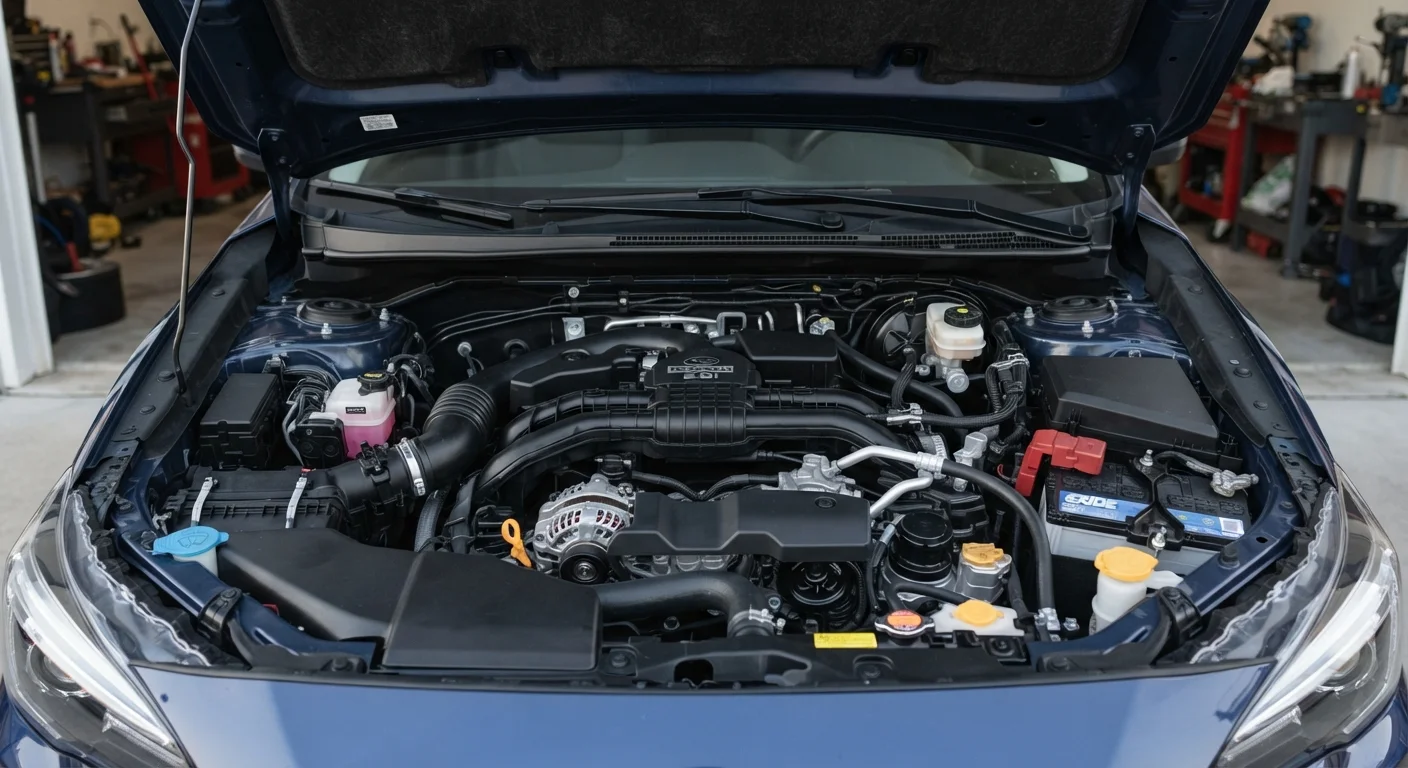
Why Car Fluids Matter
A modern car contains no fewer than six distinct fluid systems, and every single one is doing something critical while you drive. They lubricate moving metal parts, transfer heat, transmit braking force, and keep your visibility clear. When any one of them falls low or degrades, the consequences range from minor inconvenience to catastrophic mechanical failure.
The encouraging reality is that most fluid-related problems announce themselves well before they become expensive. Learning to identify what each fluid does — and recognising when something looks or smells wrong — is one of the highest-return maintenance skills any driver can develop. This guide is part of our broader car ownership and maintenance reference for everyday drivers.
The Six Essential Fluids Explained
Each fluid has a specific job. Substituting one for another, or running low on any of them, will compromise a system that was engineered to tight tolerances.
Viscosity
A measure of how thick or thin a fluid is and how easily it flows. Engine oil viscosity ratings (like 5W-30) tell you how the oil behaves at cold start and at operating temperature.
Hygroscopic
A fluid that naturally absorbs moisture from the surrounding air over time. Brake fluid is hygroscopic, which is why it degrades even if you don't drive much.
Hydraulic pressure
Force transmitted through an incompressible liquid. Both braking and power steering systems use hydraulic pressure to multiply and transfer the force you apply with your hands and feet.
Head gasket
A critical seal between the engine block and cylinder head. If it fails, coolant and oil can mix or leak into places they should never reach, causing rapid and severe engine damage.
Dipstick
A long metal rod inserted into the engine oil reservoir. You withdraw it to read the oil level and assess the oil's condition by its color and texture.
Coolant reservoir
A plastic tank connected to the radiator that holds overflow coolant. It's the safe place to check and top up coolant — the radiator cap itself should never be opened on a warm engine.
Engine Oil
Engine oil lubricates the hundreds of metal components inside your engine that move against each other at high speed. It also carries heat away from the engine and holds combustion byproducts in suspension until the next oil change. Oil degrades over time and mileage, becoming thicker, darker, and less effective. Most manufacturers specify change intervals in both miles and months — whichever comes first.
Coolant (Antifreeze)
Coolant circulates through your engine and radiator, absorbing excess heat and dissipating it. It also prevents the cooling system from freezing in winter and from boiling in summer. Running low on coolant is one of the fastest routes to an overheated engine, which can warp cylinder heads or crack the engine block. For a closer look at how this unfolds, see our article on what happens inside an engine when coolant runs low.
Brake Fluid
When you press the brake pedal, hydraulic pressure transmits that force through brake fluid to the brake callipers at each wheel. Brake fluid is hygroscopic — it absorbs moisture from the air over time, which lowers its boiling point and reduces braking effectiveness. Most manufacturers recommend replacing it every two years regardless of mileage.
Power Steering Fluid
In vehicles with hydraulic power steering, this fluid transfers force from the steering pump to the rack, making steering effort manageable. Low or contaminated fluid causes stiff steering and whining noises on full lock. Many newer vehicles use electric power steering and have no fluid reservoir at all — check your manual if you're unsure.
Transmission Fluid
Automatic transmissions rely on fluid that both lubricates gears and acts as a hydraulic medium for gear changes. Manual transmissions use a separate gear oil. Both degrade over time. Neglected transmission fluid is a common contributor to expensive gearbox repairs.
Windscreen Washer Fluid
Plain water freezes, leaves mineral deposits, and doesn't cut through road film effectively. Washer fluid contains detergents and, in winter formulations, antifreeze agents. It's the one fluid you can confidently top up yourself with no mechanical risk.
How to Check Your Fluid Levels
Most fluid checks are straightforward and take only a few minutes. Always check fluids with the engine cold and the car parked on level ground — a warm engine can give false readings and presents burn risks.
- Engine oil: Pull the dipstick, wipe it clean, reinsert fully, then withdraw again. The oil level should sit between the MIN and MAX marks. Note the color too — fresh oil is amber; very dark or gritty oil suggests it's overdue for a change.
- Coolant: Check the translucent reservoir (never the radiator cap on a warm engine). The level should be between MIN and MAX. The fluid should be brightly colored and clear.
- Brake fluid: The reservoir is usually a small translucent container near the firewall on the driver's side. Level should be between MIN and MAX; darkening fluid is a sign it's absorbing moisture and due for replacement.
- Power steering fluid: If your car has a hydraulic system, there will be a dedicated reservoir with MIN/MAX markers or a dipstick built into the cap.
- Transmission fluid: Many automatics have a dipstick; others are sealed units requiring workshop equipment to check. Consult your manual.
- Washer fluid: Simply pour in the correct winter or summer formulation until full.
Our seasonal car maintenance checklist covers when to pay extra attention to each fluid as conditions change throughout the year.
Warning Signs You Should Never Ignore
Check Fluids Monthly — Not Just at Service
Manufacturer service intervals are a minimum standard, not a complete maintenance strategy. A quick five-minute check of oil, coolant, and brake fluid once a month catches drops in level before they become a roadside emergency. Keep a clean rag and a small torch in the boot to make this habit easy.
Fluids communicate problems in predictable ways. Learning to read these signals early can prevent a minor top-up from becoming a major repair bill.
- Puddles under the car: A clear, thin puddle near the front is often air-conditioning condensate — harmless. An oily or brightly colored puddle indicates a genuine leak requiring attention.
- Sweet smell inside or outside the car: This is almost always coolant. It typically means a leaking hose, radiator, or — more seriously — a blown head gasket.
- Blue smoke from the exhaust: Engine oil is being burned in the combustion chamber, a sign of worn piston rings or valve seals.
- Spongy or low brake pedal: Air in the brake lines or critically low brake fluid — stop driving and seek immediate assistance from a qualified mechanic.
- Whining or groaning on steering lock: Often indicates low or contaminated power steering fluid.
- Slipping or delayed gear changes: Degraded or low transmission fluid is a common cause.
Dashboard warning lights are frequently your first electronic alert that a fluid system is compromised. Our guide to what dashboard warning lights are actually telling you explains which symbols require immediate action and which can wait until your next service appointment.
When to Top Up vs When to See a Mechanic
Some fluid top-ups are entirely appropriate for a careful driver to handle at home. Others involve systems where an error in fluid type or level can create safety risks — and those should stay in qualified hands.
Safe to do yourself (with the correct fluid for your vehicle): engine oil top-up, coolant top-up (when cold), washer fluid.
Proceed with care: brake fluid top-up if you are confident of the correct specification and the reservoir is only slightly low. However, if fluid is low because of a leak rather than normal consumption, topping up does not fix the underlying problem.
Always consult a mechanic: rapid or repeated fluid loss of any kind; any brake system concern; transmission fluid changes on sealed units; any fluid that looks or smells wrong after a top-up.
Understanding where the boundary lies between a reasonable DIY task and a job for a professional is covered in depth in our article on DIY car maintenance tasks vs when to see a mechanic. When in doubt, a pre-inspection quote from a qualified mechanic is always money well spent compared to the cost of an avoidable breakdown.