What Raised Beds Actually Are — and What They're Not
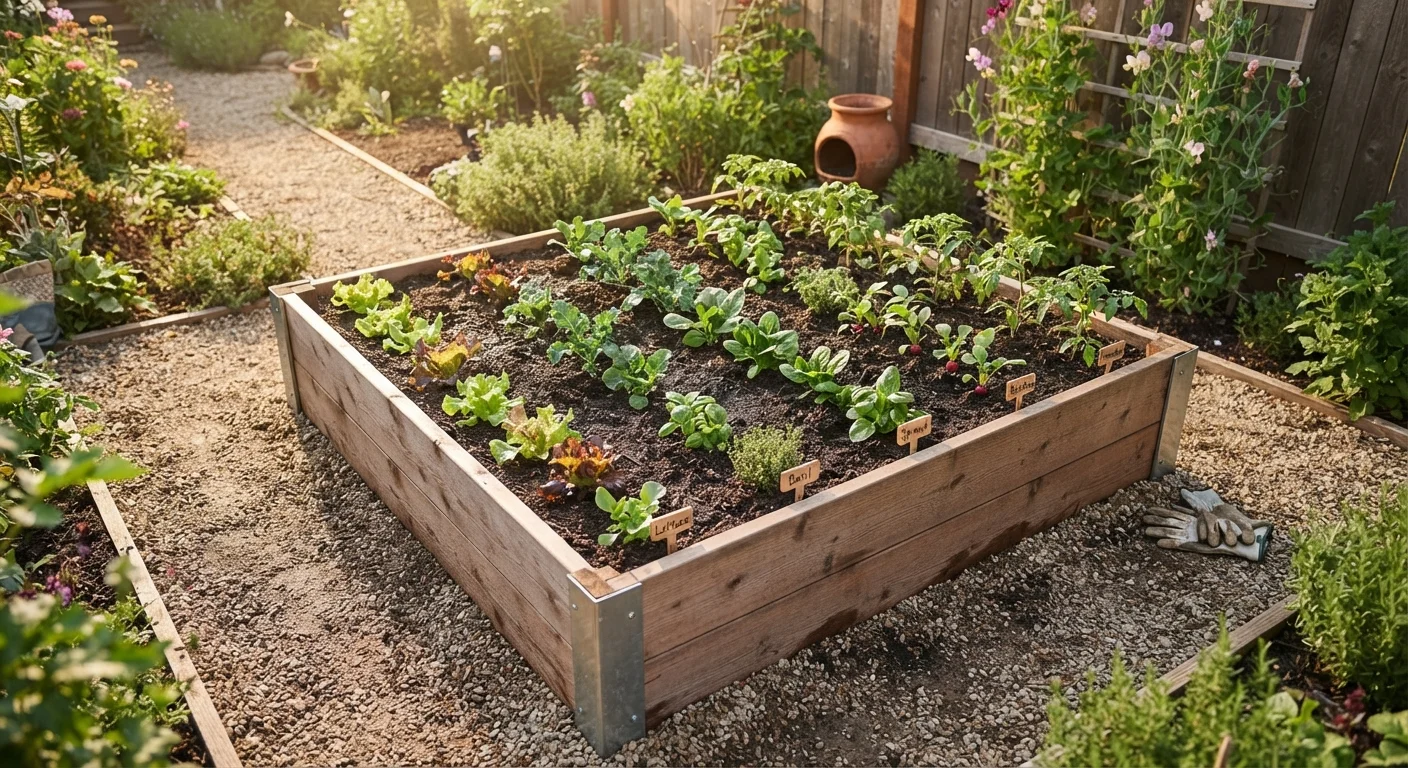
A raised bed is any growing area where soil is contained above ground level, typically framed by wood, metal, concrete block, or composite lumber. The frame holds a custom soil mix that sits independently of the native ground beneath. This is not the same as a simple mound or a container garden — raised beds are generally open-bottomed, allowing roots to reach native soil if needed, while still benefiting from the improved growing medium above.
That distinction matters because raised beds are often treated as a cure-all for garden problems. They're not. They're a useful design choice that suits some situations very well and others much less so. If your native soil is productive, well-draining, and easy to work, a raised bed may add effort and cost without proportionate benefit. If your soil is compacted clay, contaminated, or perpetually waterlogged, a raised bed can genuinely change what's possible in your garden.
Before committing materials and money, it's worth understanding exactly what you're gaining — and what you're giving up. If you're just starting out, our guide to starting your first vegetable garden walks through site selection and soil prep that applies to both in-ground and raised-bed approaches.
The Genuine Advantages of Raised Beds
The benefits of raised beds are well-documented among experienced gardeners, and several of them are substantial.
Complete control over soil quality and composition
You fill raised beds with a custom mix suited to your crops, bypassing problems like clay, hardpan, or contaminated native soil entirely.
Improved drainage reduces waterlogging risk
The elevated, loose soil mix drains freely, which benefits most vegetable crops that struggle in saturated ground.
Earlier planting in spring due to faster soil warm-up
Contained soil absorbs heat more quickly than surrounding ground, giving gardeners in cooler climates a useful head start on the season.
Reduced bending and easier physical access
A bed built at 18–24 inches tall significantly reduces strain on the back and knees, making gardening more sustainable for people with physical limitations.
Fewer weed intrusions from surrounding ground
A defined, elevated growing area with clean fill soil typically starts with far fewer weed seeds than tilled native ground, reducing early-season weeding time.
Defined growing space supports organized planting
Clear bed edges make intensive spacing methods practical and help gardeners track rotations, amendments, and crop placement from season to season.
Soil control is the biggest practical win. When you fill a raised bed with a quality mix — typically a blend of compost, topsoil, and a coarse amendment like perlite — you start with a growing environment that's optimized for plant roots rather than shaped by whatever geology happens to exist under your lawn. This is especially meaningful if your native soil is heavy clay, sandy and nutrient-poor, or potentially contaminated from old paint, fuel, or industrial use.
The ergonomic advantage is real too, particularly for gardeners with back, knee, or hip limitations. A bed built to 18–24 inches tall eliminates most ground-level bending, making regular tasks like planting, weeding, and harvesting considerably more manageable.
Season extension is a quieter benefit that's easy to overlook. The contained soil in a raised bed warms faster in early spring than surrounding ground, which can translate to earlier planting dates — a meaningful advantage in shorter-season climates.
The Real Costs and Limitations You Should Expect
Honest planning means looking at the drawbacks just as carefully.
Higher upfront material and soil costs
Frame materials plus quality fill soil can cost several hundred dollars for a single mid-sized bed — considerably more than preparing an equivalent in-ground plot.
Faster soil drying requires more frequent watering
The well-draining mix that helps roots breathe also loses moisture quickly, often demanding daily watering during warm, dry periods.
Frame materials eventually degrade and need replacement
Even rot-resistant wood breaks down over time; budget for eventual repairs or full replacement, particularly in wet climates.
Soil quality degrades without regular amendment
Unlike native soil with its ongoing organic processes, raised bed mix compacts and depletes over seasons and needs annual topping-up with compost to stay productive.
Not suitable for all crops or large-scale growing
Space-hungry crops like corn, sprawling squash, or large melon varieties are poorly suited to the contained footprint of a typical raised bed.
The upfront investment in materials can be significant. Lumber — especially rot-resistant options like cedar or composite — is not inexpensive. Fill material is often the largest hidden cost: a 4x8-foot bed at 12 inches deep requires roughly 32 cubic feet of soil mix, and quality blended mixes add up quickly. Many first-time raised-bed gardeners underestimate this number considerably.
Watering demands increase with raised beds because the elevated, porous mix drains faster than in-ground soil. During dry summer stretches, daily watering may be necessary, and hand-watering a large raised-bed garden becomes time-consuming. Drip irrigation can help, but adds another layer of setup and cost.
Material longevity is another consideration that often goes unaddressed at the planning stage. Untreated pine may begin to degrade within three to five years depending on climate and soil moisture. Cedar and composite options last longer but cost more upfront. Whatever material you choose, build with its lifespan in mind.
A Note on Wood Treatment and Food Safety
If you're building beds for edible crops, material choice matters beyond just longevity. Pressure-treated lumber produced before 2004 used chromated copper arsenate (CCA), which is no longer approved for residential use. Newer ACQ-treated lumber is considered safer by many sources, but if you have any uncertainty, consult your local cooperative extension service before deciding. Untreated cedar or redwood, or composite lumber specifically marketed for food-garden use, are straightforward alternatives.
For guidance on plant spacing within your beds once they're built, the planting depth and spacing reference covers common vegetables, herbs, and flowers.
Decisions That Shape Whether a Raised Bed Succeeds
The difference between a raised bed that thrives for a decade and one that becomes a maintenance burden usually comes down to a few early decisions.
Site selection: Even raised beds need six or more hours of direct sun for most food crops. A shaded location doesn't become productive just because the soil is excellent. Assess sun exposure before you pick your spot.
Width and accessibility: A standard 4-foot width is widely recommended because most adults can reach the center from either side without stepping into the bed — which compacts soil and defeats one of the key benefits. If you're building against a wall or fence, limit width to about 2 feet so the entire bed remains reachable.
Depth: Shallow-rooted crops like lettuce, radishes, and herbs can thrive in 6–8 inches of soil. Root vegetables — carrots, parsnips, beets — benefit from 12 inches or more. Matching depth to what you intend to grow avoids unnecessary fill costs while still meeting plant needs.
Material safety: If you're growing food, use materials confirmed to be food-safe. Avoid pressure-treated lumber manufactured before 2004, which used arsenic-based preservatives. Current ACQ-treated lumber is widely considered safer, though opinions vary; untreated cedar, redwood, or composite lumber specifically labeled for food gardens are common alternatives. When in doubt, check with your local cooperative extension office for region-specific guidance.
Raised beds fit well into a broader conversation about thoughtful trade-offs in home decisions — similar in spirit to how homeowners weigh design choices in spaces like the minimalist home trade-offs discussion: the appeal is real, but so are the practical limits.
32 cu ft
Soil needed for one 4×8 ft bed at 12 in. deep
This volume figure illustrates why fill material is often the largest single cost when building a raised bed — a factor many first-time builders underestimate.
4 ft
Recommended maximum width for reachable access
Garden planning resources consistently cite four feet as the standard width that allows most adults to reach the bed's center without stepping inside and compacting the soil.
2–3 weeks
Potential spring planting head start in cooler climates
Cooperative extension resources note that raised bed soil can warm up meaningfully earlier than surrounding ground, extending the effective growing window in shorter-season regions.