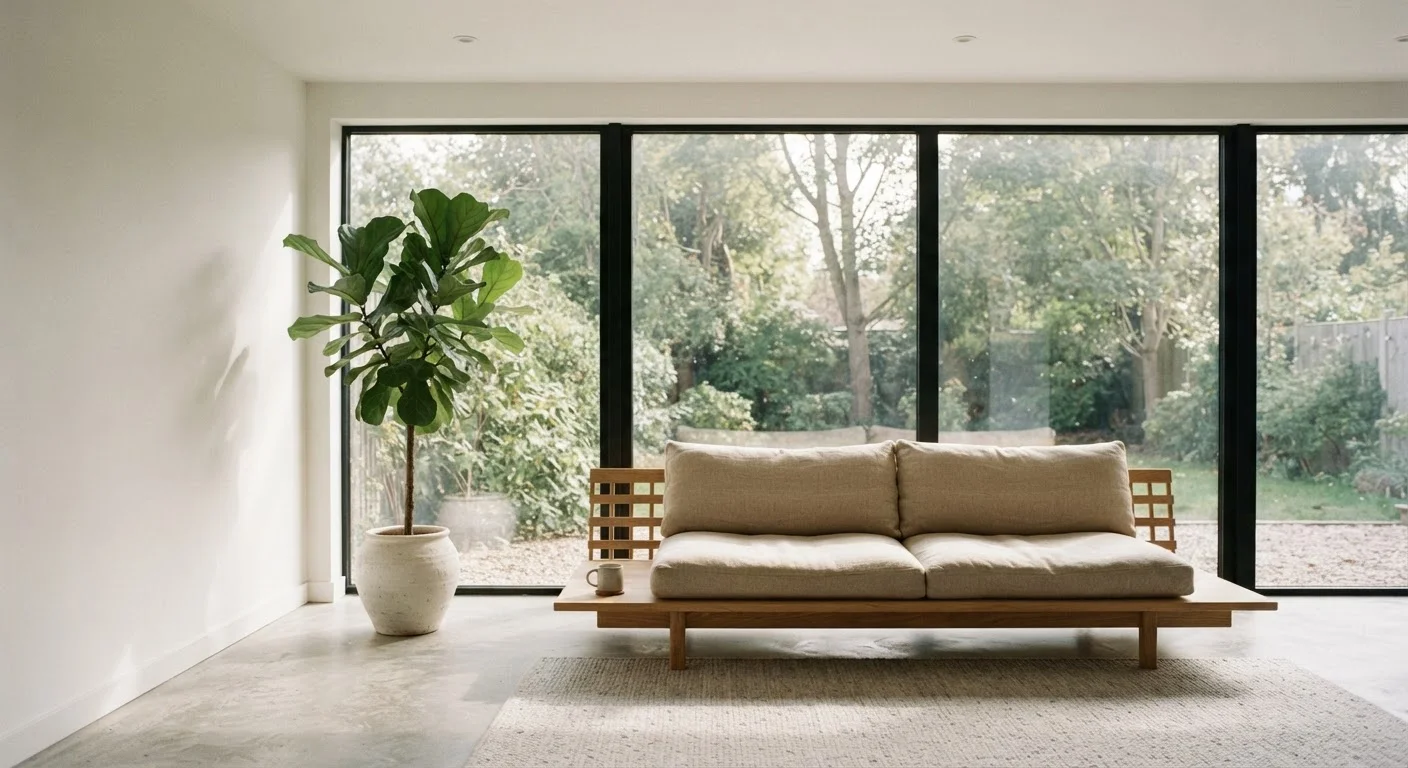
What 'Highly Minimalist' Actually Means
Minimalism spans a wide spectrum. At one end, it simply means keeping a tidy, organized home with fewer decorative items. At the other — what this article addresses — it means deliberately limiting possessions to essentials, keeping surfaces bare, owning multiples of almost nothing, and treating the absence of objects as a design value in itself.
This extreme version is what fills home-design blogs and has been popularized in books and documentary films. It's worth examining honestly, because many people adopt it expecting transformation and encounter unexpected friction along the way. For a broader look at how minimalism plays out in the digital sphere, see our piece on digital minimalism, which explores similar hype-versus-reality tensions.
The Genuine Advantages
There are real, well-documented benefits to keeping a home with significantly fewer possessions — not just aesthetic ones.
Cleaning and maintenance become significantly faster
Fewer objects means fewer surfaces to dust, fewer items to move, and less time spent tidying. Homes with minimal furniture and décor can often be cleaned in a fraction of the time a fully furnished equivalent requires.
Reduced decision fatigue in daily life
When a home has only what's needed, choices about what to use, wear, or cook with become simpler. This can reduce the low-level mental load that accumulates throughout a day.
Easier to locate and access belongings
With fewer items competing for space, finding what you need takes less time. There's less digging, less misplacing, and less frustration around everyday tasks.
Calmer visual environment can reduce stress
Research in environmental psychology suggests that visual clutter can increase cortisol levels and reduce focus. A pared-back space may support a greater sense of calm for many people.
Encourages more deliberate purchasing decisions
A commitment to minimalism creates a natural check on impulse buying. Before acquiring something new, you're more likely to ask whether it genuinely earns its place.
For those already living in a compact space, these advantages compound. Room-by-room organization strategies for small spaces can complement a minimalist approach without requiring you to go to extremes.
The Real Costs and Drawbacks
The downsides of extreme minimalism are less often discussed, but they're worth confronting before committing to a major purge.
Purging useful items leads to repurchase costs
One of the most common minimalist regrets is discarding something 'just in case' only to need it months later. Replacing specialty tools, seasonal gear, or even extra kitchen items can be surprisingly expensive.
Guests and family members may feel unwelcome
A home without comfortable extra seating, spare bedrooms outfitted for visitors, or familiar domestic warmth can feel sterile to people who don't share the minimalist preference. This can create real social friction.
Rigid approach struggles with life changes
A new partner, a child, a career shift, or a new hobby all introduce new objects and needs. A highly minimalist setup can require significant re-evaluation when circumstances shift unexpectedly.
Emotional cost of discarding meaningful objects
Extreme minimalism often pushes people to let go of sentimental items in pursuit of aesthetic purity. This can lead to genuine regret, particularly around inherited items or objects tied to memory.
Can shift from lifestyle to identity pressure
For some people, minimalism becomes performative — something to maintain for its own sake rather than for genuine comfort. This can introduce a new form of stress rather than relieving the old one.
Minimalism Is Not the Same as Deprivation
A common misconception is that a minimalist home must feel sparse or uncomfortable. In practice, a well-considered minimalist space prioritizes quality and function — it simply avoids accumulation for its own sake. The goal is that every object earns its presence, not that the home feels empty. This distinction matters when evaluating whether the lifestyle is right for you.
If you're considering downsizing your belongings significantly, moving slowly and deliberately matters. Downsizing without regret covers decision frameworks that help you avoid the common trap of discarding items you'll later need to repurchase.
When Minimalism Works — and When It Doesn't
Context shapes whether a minimalist approach is practical or frustrating. It tends to work well for:
- Single-person or two-person households with predictable, stable routines
- People who work outside the home and don't need craft supplies, hobby equipment, or home-office gear
- Renters or frequent movers who benefit from less to pack and transport
It tends to create friction for:
- Families with children, whose needs for toys, school supplies, and seasonal gear shift constantly
- People who work from home and need varied equipment, reference materials, or a creative workspace
- Hosts who regularly accommodate guests and need extra linens, seating, or kitchen capacity
~$1,200
Average annual spending on home organization products
According to industry estimates cited by the National Association of Professional Organizers, Americans spend significant sums each year attempting to manage possessions — suggesting that fewer items can meaningfully reduce this overhead.
54%
Of Americans feel overwhelmed by clutter
A survey by the organization SpareFoot found that more than half of American adults report feeling stressed by the amount of clutter in their homes, pointing to a genuine pain point that minimalism attempts to address.
A minimalist home is also not inherently cheaper to maintain. High-design, low-clutter spaces often depend on quality storage furniture and precise organization systems that carry their own costs.
Finding Your Functional Middle Ground
Most people who pursue minimalism find that a moderate version — sometimes called intentional living — delivers the psychological benefits without the rigidity. This means keeping items that earn their place through actual use or genuine meaning, while letting go of accumulation by default.
Practically, this might look like:
- A one-in, one-out rule for categories prone to accumulation (clothes, books, kitchen gadgets)
- Seasonal reassessment of stored items rather than permanent purging
- Clear storage for items used infrequently but reliably (holiday decorations, camping gear)
- Shared ownership or borrowing arrangements for rarely-used tools or appliances
The goal isn't a photogenic space — it's a home that supports how you actually live. As with many lifestyle trade-offs, the value is in the intentionality, not the extreme. For a parallel look at trade-offs in another area of life simplification, automating your finances involves a similar balance between simplicity and loss of control.