What Debt Consolidation Actually Means
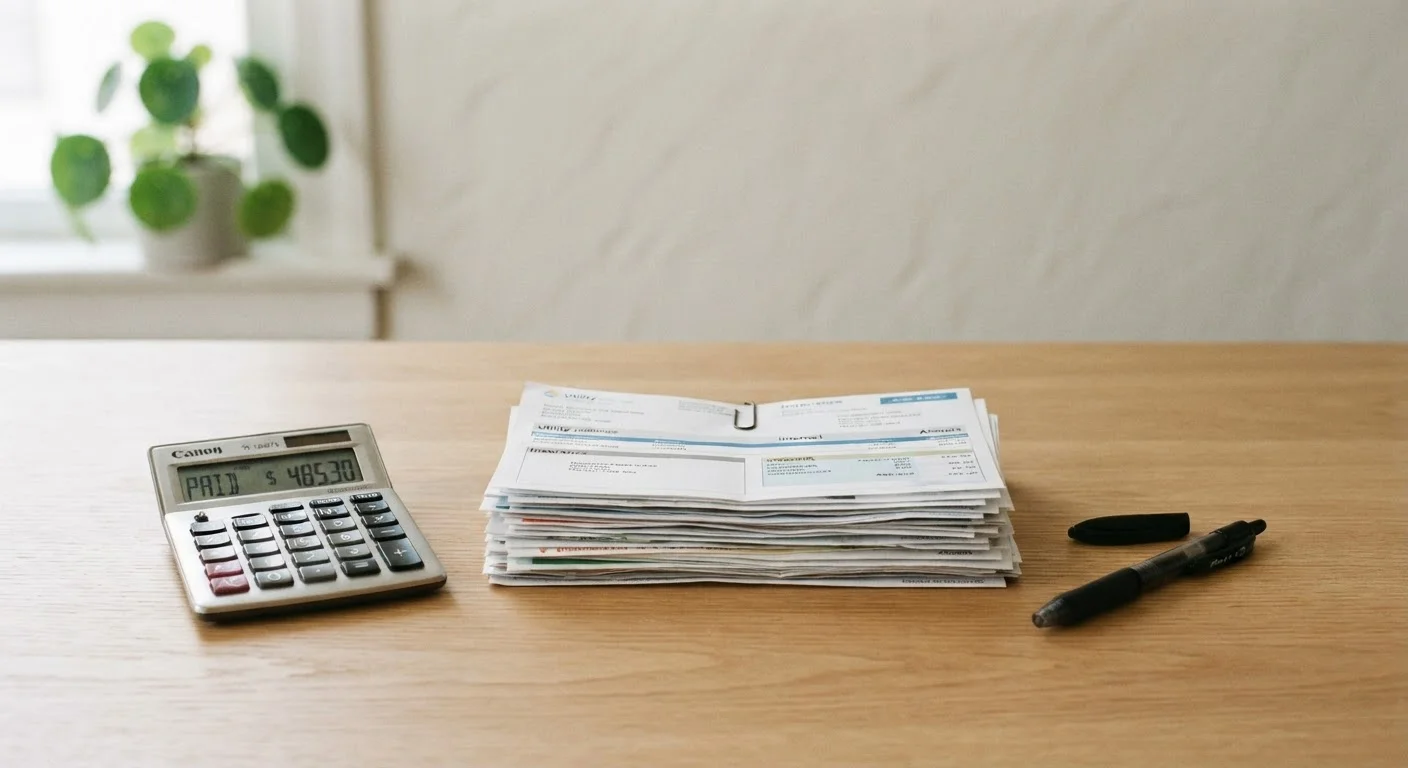
Debt consolidation is the process of combining multiple debts — typically credit card balances, medical bills, or personal loans — into a single new debt, usually a personal loan or a balance transfer credit card. Instead of making several payments to different creditors each month, you make one payment to one lender.
The appeal is straightforward: one due date, one interest rate, and potentially one lower monthly payment. But it is important to understand that consolidation does not reduce the principal you owe. You are reorganizing existing debt, not eliminating it.
Common consolidation methods in the US include:
- Personal consolidation loans: An unsecured loan from a bank, credit union, or online lender used to pay off existing debts.
- Balance transfer credit cards: Cards that offer a low or 0% introductory APR for a set period, allowing you to move high-interest balances onto them.
- Home equity loans or HELOCs: Secured loans that use your home as collateral — higher risk, as missed payments can threaten your home.
- Debt management plans (DMPs): Arranged through nonprofit credit counseling agencies, these negotiate reduced rates with creditors on your behalf.
This article is for general informational purposes only and does not constitute personalized financial, legal, or tax advice. Consult a qualified financial professional before making decisions about your specific situation.
The Potential Advantages
When conditions are right, consolidation offers real, measurable benefits.
Simplifies repayment to a single monthly payment
Managing one due date and one creditor reduces the cognitive load and the risk of missed payments, which can damage your credit score. This organizational benefit has real value, independent of any interest savings.
May reduce the interest rate on high-interest debt
If you qualify for a personal loan or balance transfer card at a lower APR than your current credit card rates (which frequently exceed 20%), you can reduce the total interest paid over the life of the debt.
Can lower the monthly payment amount
Spreading debt over a longer term or securing a lower rate can free up monthly cash flow. This can provide meaningful breathing room for borrowers who are stretched thin each month.
May improve your credit utilization ratio
Paying off revolving credit card balances with an installment loan lowers your credit utilization — the share of available revolving credit you're using — which is a significant factor in credit scoring models.
Fixed repayment schedule adds predictability
Most personal consolidation loans come with a fixed interest rate and a defined payoff date, making it easier to plan and budget compared to revolving credit card balances with variable rates.
If you're weighing consolidation against other approaches, it's worth reading about the debt avalanche and snowball repayment strategies — these methods work on the same debts without requiring a new loan, and the comparison can help you decide which path fits your situation.
The Real Disadvantages
Consolidation carries trade-offs that are often underemphasized in promotional materials. Understanding them is essential before proceeding.
Does not reduce the principal amount owed
Consolidation restructures debt but does not forgive or reduce it. You still owe the same total — sometimes more, once fees are included. It is not debt relief.
Longer repayment terms can increase total interest paid
Extending your payoff window to reduce monthly payments often results in paying significantly more in total interest over time, even if the rate is lower. This trade-off is frequently overlooked.
Fees can offset or eliminate interest savings
Loan origination fees, balance transfer fees, and prepayment penalties all reduce the financial benefit. In some cases, they can make consolidation more expensive than staying the course.
Qualifying rates depend on creditworthiness
Borrowers with fair or poor credit may not qualify for a rate that improves on their existing debts, making consolidation functionally pointless or even more costly.
Risk of accumulating new debt on paid-off accounts
Once credit cards are paid off through consolidation, they carry a zero balance and available credit — making it easy to run up new charges. This "reloading" pattern is one of the most common consolidation pitfalls.
Secured consolidation options put assets at risk
Using a home equity loan or HELOC to consolidate unsecured debt converts that debt into secured debt. If you fall behind on payments, your home is at risk — a serious escalation of consequence.
Does not address the underlying spending behavior
Consolidation is a structural tool. If the habits that created the debt remain unchanged, the same debt can reaccumulate even while the consolidated loan is being repaid.
These downsides don't make consolidation a bad idea in every case — but they do underscore why it should never be the only change you make. Common debt repayment mistakes often involve treating a structural solution as a behavioral one.
What Debt Consolidation Doesn't Fix
This is the part that matters most: consolidation addresses the structure of your debt, not the source of it. If overspending, insufficient income, or the absence of a budget caused the debt to accumulate in the first place, consolidation alone will not prevent the cycle from repeating.
Consolidation vs. Debt Settlement: Not the Same Thing
Debt consolidation and debt settlement are often confused but are fundamentally different. Consolidation combines debts under new terms without reducing what you owe. Settlement involves negotiating with creditors to accept less than the full balance — typically after accounts have gone delinquent. Settlement can result in significant credit damage, tax liability on forgiven amounts, and fees to settlement companies. If you encounter services advertising debt settlement alongside consolidation, treat them as separate categories requiring separate scrutiny.
Research consistently shows that a significant share of borrowers who consolidate credit card debt end up with balances on those same cards again within a few years — a pattern sometimes called "reloading." The consolidated loan is being repaid, but new debt is accumulating in parallel, leaving the borrower in a worse total position.
This is why any consolidation strategy should be paired with a concrete spending and savings plan. Balancing debt repayment with everyday expenses requires a structured approach that consolidation alone cannot provide.
It also does not help with debts that don't qualify — federal student loans, for example, have their own consolidation and income-driven repayment programs through the Department of Education, which are separate from standard consumer consolidation products. Tax liens and certain secured debts may also be outside the scope of typical consolidation tools.
How to Evaluate Whether It Makes Sense for You
Before pursuing consolidation, work through these practical checkpoints:
- Compare the interest rates. If you cannot qualify for a rate meaningfully lower than your current weighted average rate across all debts, consolidation offers little financial benefit beyond simplicity.
- Calculate total cost, not just monthly payment. A lower payment over a longer term often means paying more in total interest. Run the full numbers.
- Check fees. Origination fees on personal loans (commonly 1%–8% of the loan amount) and balance transfer fees (often 3%–5%) reduce the savings. Factor them in.
- Assess your credit profile. The most favorable consolidation rates are typically available to borrowers with good-to-excellent credit scores. If your credit is damaged, the rate offered may not justify the move.
- Have a plan for freed-up credit. Paying off credit cards through consolidation leaves those cards with zero balances. Decide in advance how you will handle that available credit to avoid reloading.
If you're also thinking about building savings alongside debt repayment, the article on paying off debt vs. building savings simultaneously outlines how to think through that trade-off in parallel with any consolidation decision.
20%+
Average credit card APR in the US
Federal Reserve data has shown average credit card interest rates regularly exceeding 20% APR, underscoring the cost of carrying revolving balances long-term.
1%–8%
Typical personal loan origination fee range
Many lenders charge an origination fee deducted from the loan proceeds or added to the balance, which directly reduces the savings from a lower interest rate.
3–5 years
Common personal loan repayment term
Most personal consolidation loans carry repayment periods of three to five years, though terms vary by lender and borrower profile.