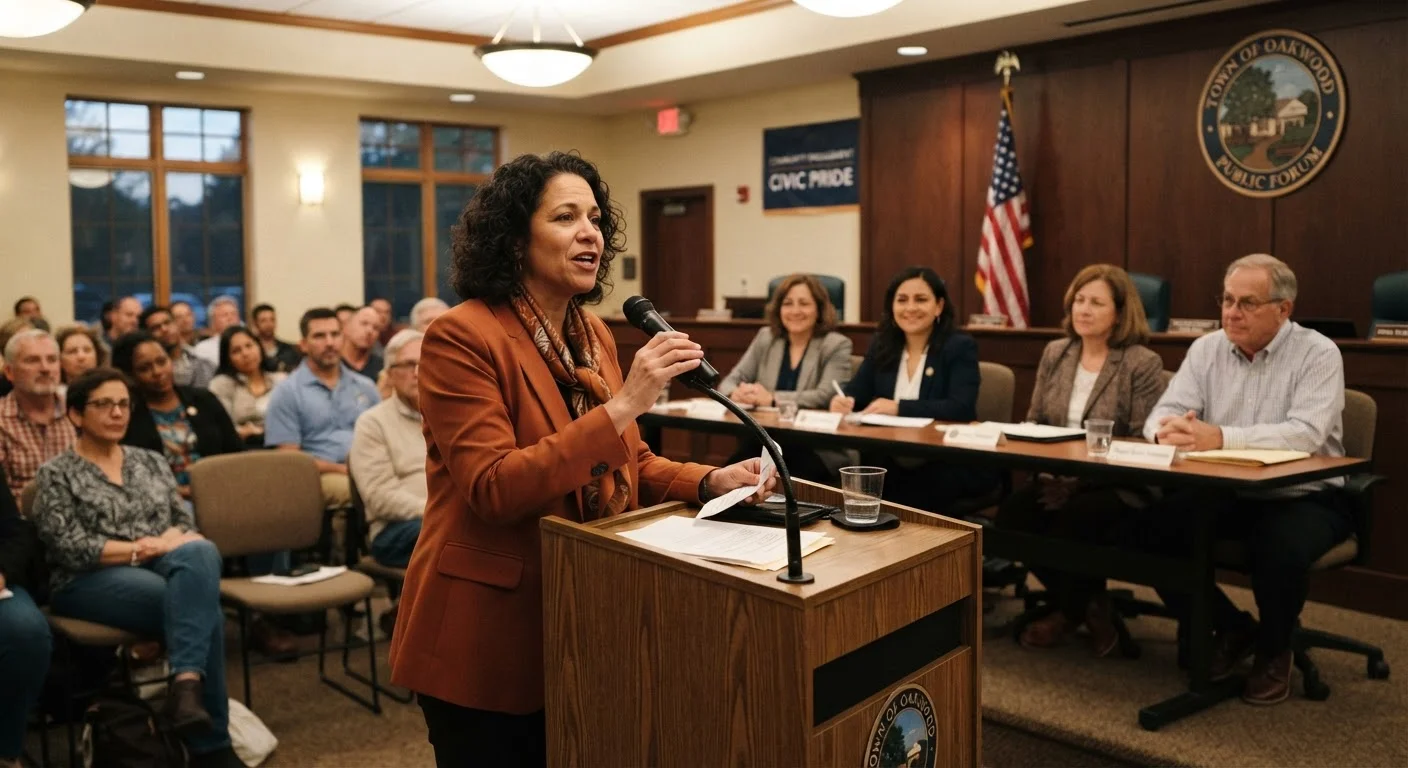
Why Preparation Matters at a Public Hearing
Public hearings — whether held by a city council, a zoning board, a school district, or a state agency — are legally required spaces for citizen input. They exist because your community deserves a say in decisions that affect it. But the window is narrow: most speakers get two to three minutes, sometimes less.
That small slice of time matters more than many people realize. Comments entered into the public record can influence how officials weigh a project, prompt additional review, or create a documented trail that shapes future appeals. The difference between a comment that sticks and one that gets glossed over almost always comes down to preparation.
If you've never spoken at a public meeting before, or if you want to be more effective when you do, see our guide to attending a city council meeting for the first time for broader context on what to expect in the room.
Use the checklist below to walk through everything before you take the microphone.
Research and Background
Know the Rules
Writing Your Statement
Logistics and Day-Of Readiness
Tools and Resources to Help You Prepare
You don't need specialized equipment to speak at a public hearing — but a few basic resources will make your preparation more efficient and your comment more credible.
Agency or Municipality Website
Use the official site to find agendas, staff reports, public notice documents, and speaker sign-up instructions for your specific hearing.
Timer or Stopwatch App
Practice reading your statement aloud and time it precisely so you're confident you'll finish within the allotted limit.
Printed Written Comment Copies
Bring physical copies of your statement to submit for the official record and to read from during your comments.
Local Newspaper or Meeting Archive
Review past coverage or meeting minutes to understand the history of an issue and what arguments have already been made.
Community or Neighborhood Organization
Connect with local groups who may have organized testimony, background research, or collective sign-on letters you can reference or join.
Making the Most of Your Two Minutes
Once you've done the research and written your statement, the final step is delivery. Even a beautifully written comment can fall flat if it's rushed, inaudible, or runs over time and gets cut off mid-sentence.
Running Over Your Time Can Hurt Your Message
Most public hearing chairs will cut off a speaker mid-sentence once the time limit expires. If your most important point is at the end of your statement and you run long, it may never make it into the record. Structure your comment so the core message and your specific ask appear in the first half, and treat anything after that as supporting detail.
Read your statement aloud at least twice, ideally in front of another person. Time yourself on every run-through. If you go over the limit, cut — don't speed up. Officials notice when speakers are rambling, and they respond more positively to calm, organized comments that respect the process.
At the hearing itself, sign in early if a speaker list is available. When it's your turn, state your name and, if relevant, your address or neighborhood. Speak directly into the microphone, maintain a steady pace, and make eye contact with the panel rather than reading with your head down. After you finish, remain available if you offered to provide written follow-up — following through reinforces your credibility.
Public participation is one of the most tangible ways ordinary people shape the places they live. Showing up prepared isn't just about being effective — it's about honoring the process and your neighbors who are depending on it.