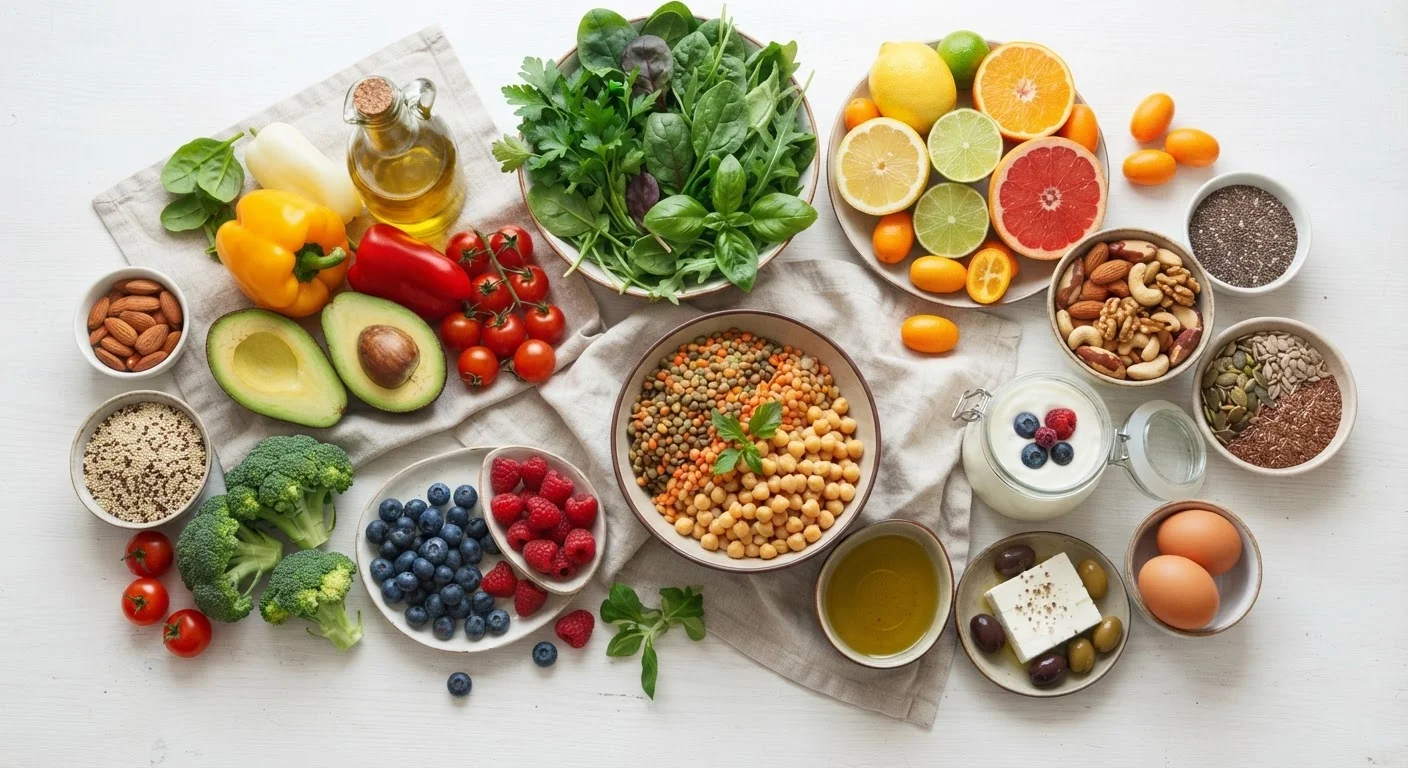
What Are Micronutrients and Why Do They Matter?
Unlike macronutrients such as carbohydrates, proteins, and fats, micronutrients — vitamins and minerals — are needed by the body in comparatively small amounts. That word micro is deceptive, though: these compounds are essential to nearly every physiological process, from converting food into usable energy to maintaining bone density, supporting immune responses, and regulating the nervous system.
The body cannot synthesize most vitamins and minerals on its own, which means diet is the primary delivery mechanism. Chronic shortfalls — even mild ones — can impair function in ways that are easy to overlook: low energy, slower wound healing, or difficulty concentrating. Understanding what each micronutrient does and where to find it is a practical first step toward building a diet that covers your nutritional bases.
This article is for general informational and educational purposes only and is not a substitute for professional medical or nutritional advice. Consult a qualified healthcare provider for guidance specific to your health situation.
Micronutrients
Vitamins and minerals required by the body in small amounts to support essential physiological functions, including energy production, immune defense, and bone health.
Fat-soluble vitamins
Vitamins A, D, E, and K, which dissolve in dietary fat, are absorbed through the digestive tract with fat, and can be stored in the liver and fatty tissues.
Water-soluble vitamins
Vitamins C and the eight B vitamins, which dissolve in water and are not stored in significant quantities; regular dietary intake is necessary to maintain adequate levels.
Bioavailability
The proportion of a nutrient that the body actually absorbs and can use. Bioavailability varies depending on the food source, preparation method, and other nutrients consumed at the same time.
Trace minerals
Essential minerals — such as iron, zinc, iodine, and selenium — required by the body in very small quantities but critical to specific biological processes.
Antioxidant
A compound that helps neutralize unstable molecules called free radicals, potentially reducing oxidative stress on cells. Vitamins C and E, and selenium, function as antioxidants.
Percent Daily Value (%DV)
A reference figure on nutrition labels indicating what percentage of a nutrient's recommended daily intake is provided by one serving of a food, based on a standard 2,000-calorie diet.
Hemoglobin
The protein in red blood cells responsible for carrying oxygen from the lungs to the rest of the body. Iron is a key structural component of hemoglobin.
Key Vitamins: Functions and Food Sources
Vitamins are divided into two broad categories based on how the body stores and processes them.
Fat-Soluble Vitamins (A, D, E, K)
These vitamins dissolve in fat and can be stored in the liver and fatty tissues, meaning they accumulate over time. Because of this, both deficiency and excess are possible concerns.
- Vitamin A — Supports vision (particularly night vision), immune function, and cell growth. Found in liver, dairy, eggs, and in the form of beta-carotene in orange and leafy green vegetables.
- Vitamin D — Critical for calcium absorption, bone health, and immune regulation. Synthesized in skin exposed to sunlight; dietary sources include fatty fish, egg yolks, and fortified dairy.
- Vitamin E — An antioxidant that helps protect cells from oxidative stress. Found in nuts, seeds, and plant-based oils.
- Vitamin K — Plays a central role in blood clotting and bone metabolism. Abundant in leafy greens such as kale, spinach, and broccoli.
Water-Soluble Vitamins (C and B-Complex)
These vitamins are not stored in significant amounts; excess is generally excreted, so regular dietary intake matters more.
- Vitamin C — Supports collagen synthesis, immune function, and iron absorption. Found in citrus fruits, bell peppers, strawberries, and broccoli.
- B Vitamins (B1, B2, B3, B5, B6, B7, B9, B12) — Collectively involved in energy metabolism, red blood cell production, and nervous system function. Whole grains, legumes, meat, dairy, eggs, and leafy greens are reliable sources. Vitamin B12 is found almost exclusively in animal products, making it a key consideration for those following plant-based diets.
- Folate (B9) — Essential for DNA synthesis and cell division; especially important during pregnancy. Found in leafy greens, legumes, and fortified grains.
Essential Minerals: What They Do and Where to Find Them
| Total essential vitamins | 13 recognized vitamins (National Institutes of Health, Office of Dietary Supplements) |
| Essential minerals (major + trace) | 16+ essential minerals (Dietary Reference Intakes, National Academies) |
| Most common micronutrient deficiency globally | Iron deficiency (World Health Organization) |
| Vitamin D deficiency prevalence (U.S. adults) | Estimated 1 in 4 adults (National Health and Nutrition Examination Survey data) |
| Primary source of vitamin B12 in diet | Animal-derived foods (NIH Office of Dietary Supplements) |
| Calcium — primary function | Bone and tooth structure |
| Magnesium — enzymatic roles | Over 300 reactions (NIH Office of Dietary Supplements) |
Minerals are inorganic elements that the body requires for structural and regulatory functions. They are broadly categorized as major minerals (needed in larger amounts) and trace minerals (needed in smaller quantities but no less important).
Major Minerals
- Calcium — The most abundant mineral in the body, integral to bone and tooth structure, muscle contraction, and nerve signaling. Dairy products, fortified plant milks, tofu made with calcium sulfate, and leafy greens are strong sources.
- Magnesium — Involved in over 300 enzymatic reactions, including protein synthesis, blood glucose control, and blood pressure regulation. Found in nuts, seeds, whole grains, and dark leafy greens.
- Potassium — Regulates fluid balance, muscle contractions, and nerve signals. Bananas, potatoes, beans, and dairy are good sources.
- Sodium — Necessary for fluid balance and nerve function; most Americans consume more than current dietary guidelines recommend.
Key Trace Minerals
- Iron — Essential for transporting oxygen via hemoglobin in red blood cells. Heme iron (from meat and fish) is absorbed more readily than non-heme iron (from plants). Pairing plant-based iron sources with vitamin C improves absorption.
- Zinc — Supports immune defense, wound healing, and protein synthesis. Found in meat, shellfish, legumes, and seeds.
- Iodine — Required for thyroid hormone production, which governs metabolism. Iodized salt and seafood are common sources.
- Selenium — An antioxidant mineral that supports thyroid function and immune response. Brazil nuts, seafood, and whole grains contain selenium.
When reading a nutrition label, the percent Daily Value (%DV) listed for vitamins and minerals reflects general guidance for the average adult — a useful reference point when comparing foods.
Putting It Into Practice: Building a Micronutrient-Rich Diet
No single food contains every essential micronutrient, which is why dietary variety is a cornerstone of nutritional guidance. A few practical principles can help most adults cover their bases:
- Eat across color groups. Different pigments in fruits and vegetables often signal different vitamins and phytonutrients. Rotating your produce choices broadens your nutrient coverage.
- Include whole, minimally processed foods. Processing can deplete certain vitamins — particularly water-soluble ones — and reduce mineral bioavailability in some cases.
- Pair nutrients strategically. Vitamin C enhances iron absorption from plant sources. Fat consumed alongside fat-soluble vitamins (A, D, E, K) improves their uptake.
- Be aware of life-stage needs. Pregnant individuals, older adults, and those with specific chronic conditions may have higher requirements for certain micronutrients. Consulting a registered dietitian or physician is strongly recommended for these groups.
Hydration also plays a supporting role in micronutrient metabolism. Water is the medium through which many nutrients are transported across the body — explore how hydration supports nearly every body function for more context.
Supplementation is sometimes appropriate when dietary intake is inadequate or absorption is impaired, but supplements are not a substitute for a varied diet and should be used under professional guidance. The interactions between nutrients — and between nutrients and medications — are complex enough that self-prescribing carries real risk.
This article provides general nutrition information and is not intended as medical or dietary advice. Speak with a qualified healthcare professional before making significant changes to your diet or starting any supplementation.